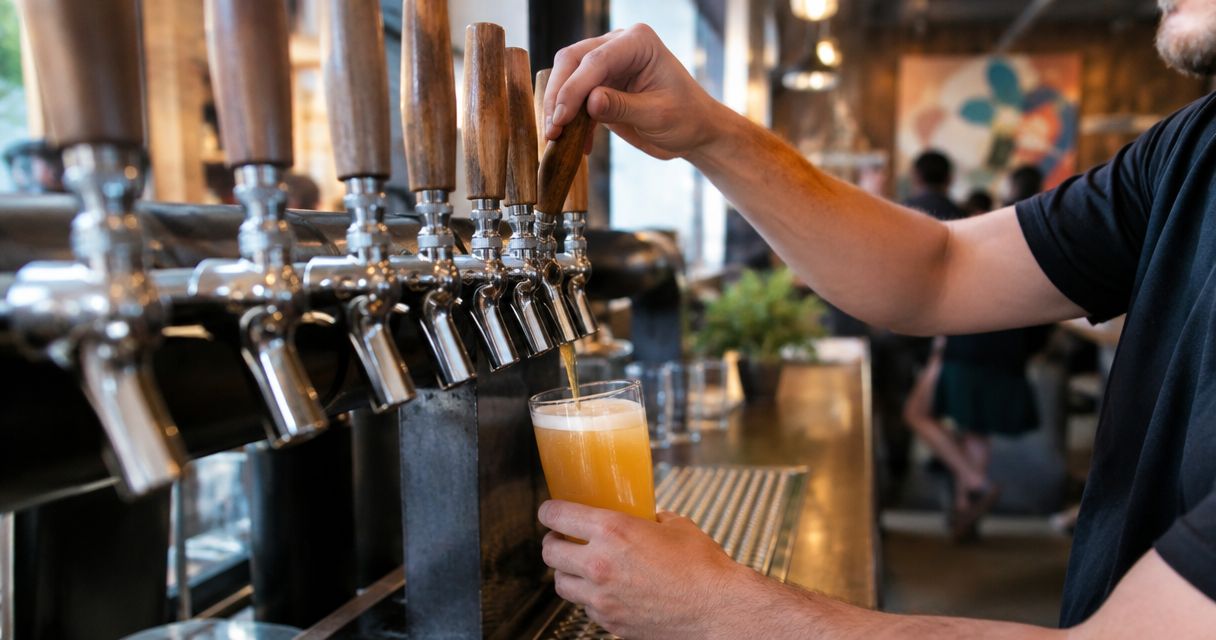
Yes—Mess Hall Harlem is a good fit for informal after-work networking when you want a casual neighborhood bar rather than a structured business event. Its Central Harlem setting and focus on craft beer, bourbon, and original cocktails suit a relaxed introduction or colleague catch-up. For a planned group gathering, confirm the arrangements directly before sending invitations; a neighborhood bar setting does not establish private space, reserved seating, or a hosted networking program.
- Mess Hall Harlem after work networking fits casual introductions, not an assumed hosted business event.
- Choose a neighborhood bar meetup when conversation matters more than presentations or structured introductions.
- Confirm group arrangements directly before inviting coworkers, clients, or professional contacts.
- Keep attendance optional, introductions brief, and follow-up specific.
Is Mess Hall Harlem good for after-work networking?
Mess Hall Harlem is best for professionals who want informal after-work networking in a Central Harlem neighborhood bar. The reason is straightforward: the bar describes its offering around craft beer, bourbon, original cocktails, and a casual night out for locals and visitors. That supports a social meeting, not a promise that other guests are there to make business connections.
Start with the Mess Hall Harlem website when planning your visit. Treat the venue as the setting for the gathering you organize, rather than assuming it supplies an audience, introductions, or an event host.
For your 2026 plans, choose the format before choosing the invitation language:
| Gathering format | Best for | Advantage | Limitation |
|---|---|---|---|
| Casual colleague meetup | Reconnecting after work | Conversation can stay social and flexible | It does not provide a structured professional agenda |
| Introduction through a mutual contact | Meeting someone with shared context | Your host can explain why you should meet | Everyone still needs to agree to the introduction |
| Organized networking event | Seeking scheduled professional introductions | You can define a purpose and attendee expectations | You need to arrange the format and confirm venue requirements |
| Formal business meeting | Presentations or confidential decisions | A dedicated meeting setting can match the task | A casual bar should not be assumed to provide privacy or presentation facilities |
These are different meeting formats, not advertised event packages. Choose the casual meetup here; verify arrangements before turning it into an organized event.
Why this matters
An after-work invitation carries expectations. Someone accepting a drink with a colleague has not necessarily agreed to hear a sales presentation, join a recruiting conversation, or meet an entire department.
Make the purpose clear before anyone travels. A simple invitation that names the people and explains the connection gives your guests a better basis for deciding than a vague promise to network.
The neighborhood setting also matters. Central Harlem is part of the reason to choose this bar, so let the gathering feel connected to the place rather than treating the room as an interchangeable corporate backdrop. You are sharing a public social space with people having their own night out.
A casual colleague meetup: best for existing connections
Choose this format when you already know the people you are inviting and want time together outside work. You do not need to manufacture a networking exercise; a conversation about current projects, neighborhood interests, or shared experiences gives the meeting a natural starting point.
The advantage is a clear social purpose. Nobody needs to deliver a presentation or leave with a stack of contacts. The limitation is equally clear: an informal gathering does not guarantee useful professional introductions.
For a manageable starting point, invite 2 colleagues you genuinely want to catch up with. That is a planning suggestion, not a statement about the bar's capacity or group policy. Expand the invitation only after you understand what the gathering requires and have checked the arrangements.
Keep work talk proportionate. Ask what people are interested in discussing, and let the evening move beyond job titles if that is where the conversation goes.
A mutual introduction: best for meeting someone new
A mutual introduction gives a new conversation a reason to happen. Ask the person making the connection to explain the shared interest beforehand, whether that is a professional field, a local project, or a question both people are considering.
The benefit is context. The drawback is that an introduction can feel transactional when the purpose stays hidden until everyone arrives. Tell your guest if you want career advice, feedback on an idea, or an introduction to someone else.
Prepare 3 opening questions rather than a rehearsed pitch. Ask what brought the person to their current work, what they are thinking about lately, and what they enjoy about the neighborhood. Use the questions as prompts, not an interview script.
A social invitation should leave room for a social answer. If the other person does not want to discuss work, respect that and change the subject.
An organized gathering: confirm the setup first
An organized professional gathering is a different request from meeting a coworker for a drink. Once you start collecting RSVPs, inviting unfamiliar attendees, or promising a dedicated area, you take on responsibilities that a casual invitation does not create.
Before announcing a 2026 gathering, use the contact page to ask about the arrangements your plan needs. Describe the purpose, expected attendance, intended date, and whether guests will arrive together or separately.
Ask direct questions without treating your preferred answers as established policies:
- Does this gathering need advance coordination?
- Can the proposed group setup be accommodated?
- What should the organizer explain to attendees beforehand?
- How should the organizer handle changes to the plan?
Do not advertise a private area, a reservation, or a hosted networking session until it is confirmed. The bar's casual atmosphere is a reason to consider it, not evidence that every event format is supported.
Ask about your group plans
Explain your gathering before sending invitations or promising a particular setup.
Why the networking fit varies
The same venue can suit a friendly introduction and be wrong for a confidential discussion. Judge the match by what your gathering needs, not by whether a bar appears on a networking shortlist.
- Purpose: A colleague catch-up fits the stated casual-night-out setting. A presentation creates requirements beyond that description.
- Group arrangement: A few people meeting socially and an organized gathering need different planning. Confirm the setup rather than guessing.
- Privacy: A public bar is not a commitment to confidential conversation. Keep sensitive work matters out of the discussion.
- Drink preferences: Craft beer, bourbon, and original cocktails are stated offerings. Ask directly about any other requirements instead of assuming the selection.
- Neighborhood preference: Central Harlem is useful when that is where your guests want to meet. Agree on the location before making the plan final.
For a 2026 meetup, use these factors as a decision checklist. If your essential requirement is a formal agenda or controlled meeting environment, choose a setting that explicitly supports it.
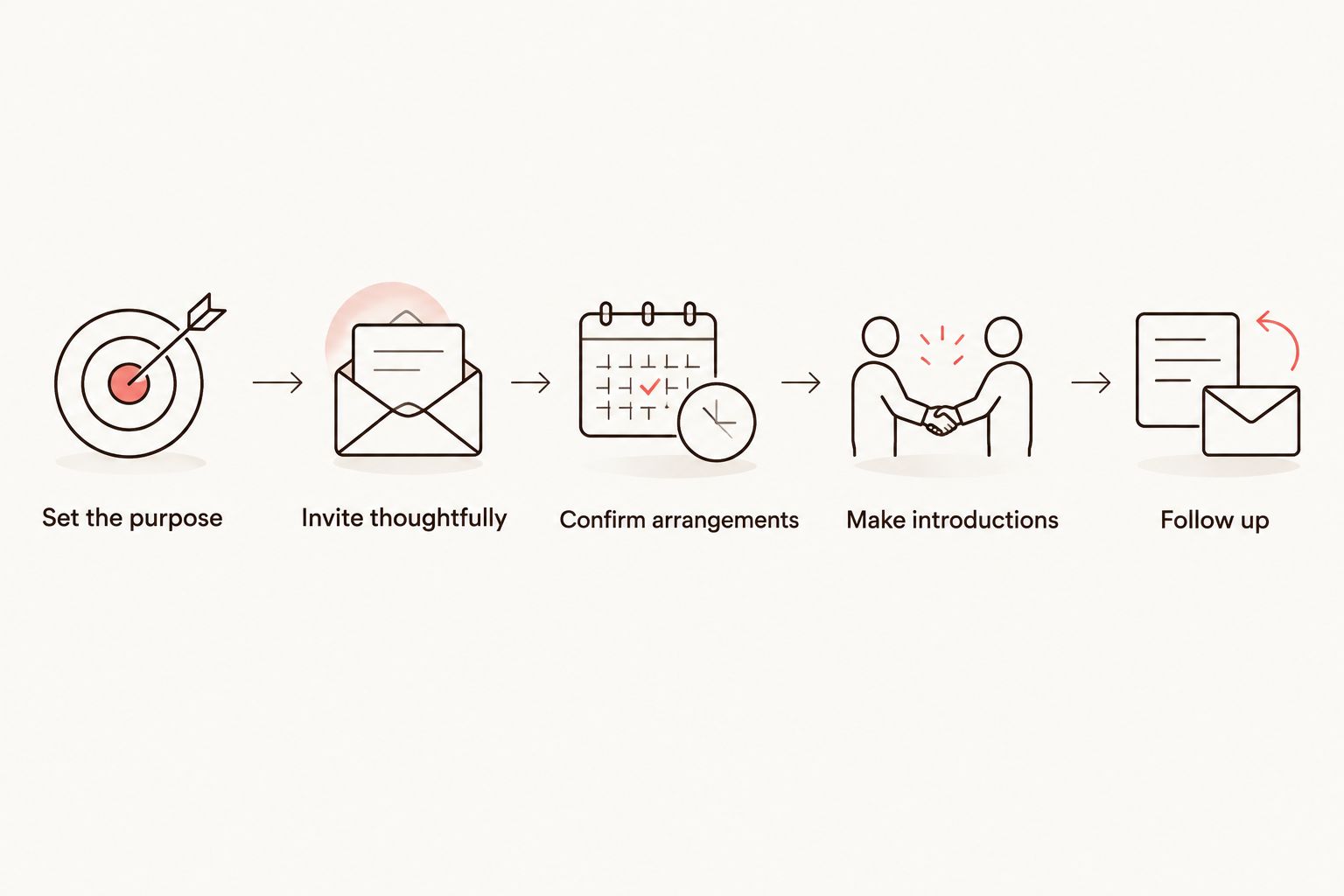
How do you plan an after-work networking meetup?
Plan the conversation before you plan the crowd. A useful introduction needs a reason, willing participants, and an invitation that accurately describes the evening.
1. Set the purpose
Decide whether you want to reconnect, introduce people, or discuss a particular topic. Keep that purpose narrow enough to explain in an ordinary sentence, without turning the invitation into a business proposal.
2. Invite thoughtfully
Invite people because they share an interest or would enjoy meeting each other. Explain the connection, and do not imply that attendance is expected because you work together.
3. Confirm arrangements
Check the details your gathering depends on before you finalize the invitation. For your 2026 visit, verify current arrangements directly rather than treating an older message or someone else's visit as confirmation.
4. Make introductions
Give each person a short, relevant introduction and then let the conversation develop. Share only information they are comfortable making public; a job search or possible career move is not yours to announce.
5. Follow up
Send 1 relevant follow-up message after the meeting if there is a genuine next step. Mention the subject you discussed, offer the resource you promised, or suggest a separate work conversation when both people want it.
The sequence keeps logistics and conversation separate. You settle the practical questions first, then give people room to enjoy the evening without managing an event around them.
Can you meet new professional contacts without an event?
Yes—invite the people you want to meet rather than relying on strangers at the bar. A neighborhood bar visit does not mean other guests have agreed to professional introductions.
If you strike up a conversation naturally, keep it brief and read the response. Someone enjoying a night with friends is not a prospect simply because they are nearby.
Is it suitable for a client conversation?
Yes, for a mutually agreed social catch-up; choose a dedicated meeting setting for confidential business. Make the purpose explicit so your guest knows whether the invitation is social or work-focused.
Do not bring documents, sensitive account details, or a presentation into the conversation without agreement. A friendly atmosphere does not remove professional boundaries.
Should coworkers be expected to attend?
No—keep an after-work bar invitation optional. Tell coworkers what the gathering involves and avoid tying participation to commitment, visibility, or access to the team.
For your 2026 team plans, ask about preferences before settling on a bar. If the format does not suit someone, arrange another way to include them rather than asking them to justify declining.
Keep the conversation comfortable
A good host does not need to dominate the discussion. Introduce people, explain the shared connection, and notice when someone has been left outside the conversation. Then step back.
Avoid treating drink choices as an icebreaker that everyone must participate in. Nobody owes an explanation for what they order or whether they drink alcohol. Check relevant options directly if your invitation depends on them.
Keep professional requests proportionate, too. Asking someone about their work is different from asking for a referral, an endorsement, or access to their contacts. Make the larger request separately and give them an easy way to decline.
Let the meetup succeed as a pleasant conversation. A useful connection does not require an immediate transaction, and a friendly evening does not create an obligation to do business afterward.
FAQ
Is Mess Hall Harlem good for after-work networking?
Mess Hall Harlem is a good fit for informal after-work networking built around a casual conversation. Its stated offering is a Central Harlem neighborhood bar with craft beer, bourbon, and original cocktails, not a confirmed hosted networking program.
Can I just turn up and expect to meet business contacts?
Do not expect other guests to be there for professional networking. Invite your own contacts or arrange a mutual introduction, and respect people who are there for a private social evening.
Should I contact the bar before inviting a work group?
Contact the bar before making promises about group arrangements. Explain your gathering and confirm the details it needs before sending a final invitation.
Is a bar a good place for a confidential client meeting?
A public bar is not a suitable default for confidential business. Use the visit for a social catch-up and move sensitive discussions to an appropriate private setting.
Do I need to drink alcohol to join a networking meetup?
Drinking alcohol should not be a condition of joining your meetup. Ask the venue directly about any drink requirements and keep coworkers' participation optional.
How should I follow up after meeting someone?
Send a brief message tied to your actual conversation. Share a promised resource or suggest a specific next step without adding the person to unrelated outreach.
One last thing
Before introducing someone, ask what they would like you to say about them. That small question keeps the introduction accurate and gives them control over what becomes part of a public conversation.
You do not need an impressive pitch to make the evening useful. Bring a clear invitation, respect the people sharing the space, and leave room for a good night out.