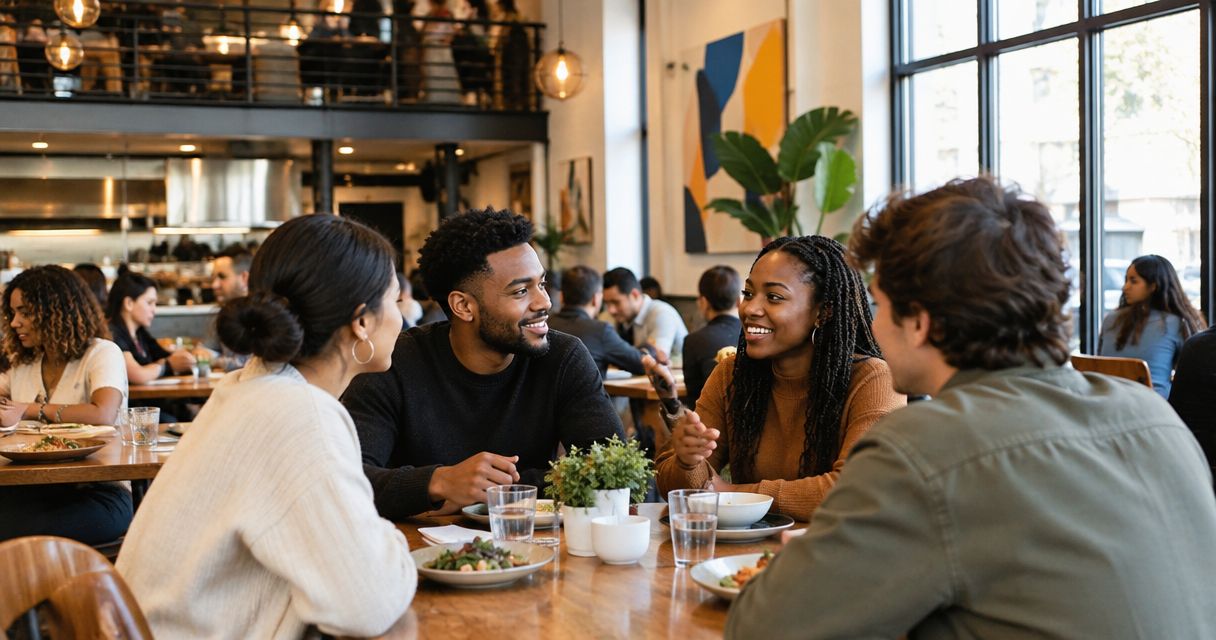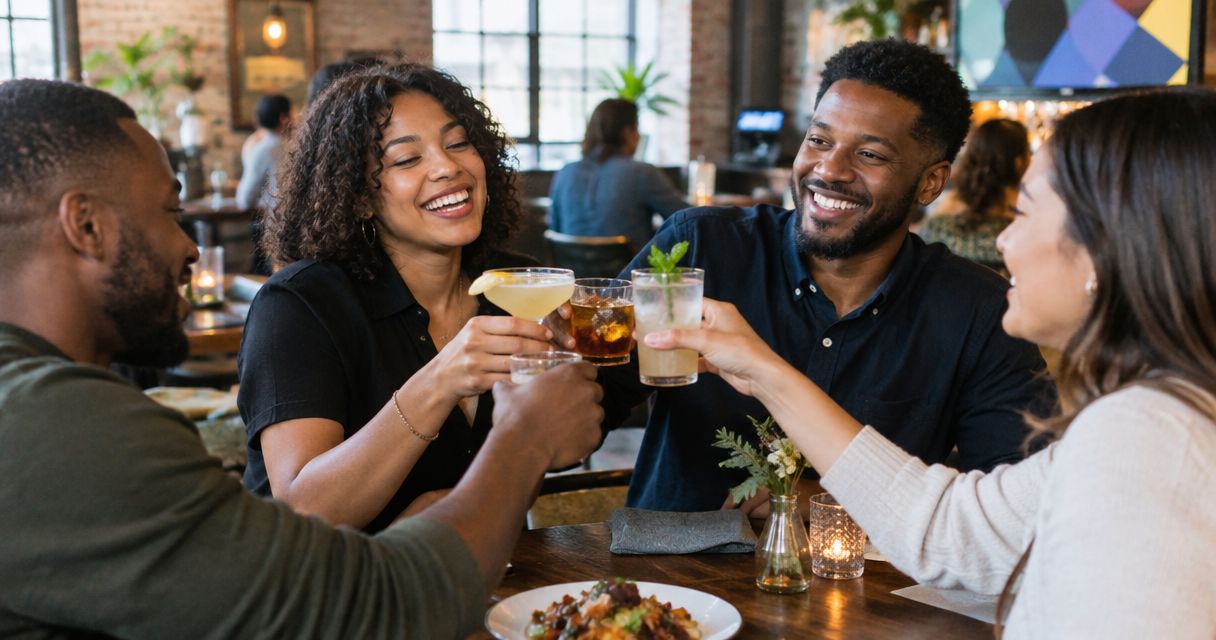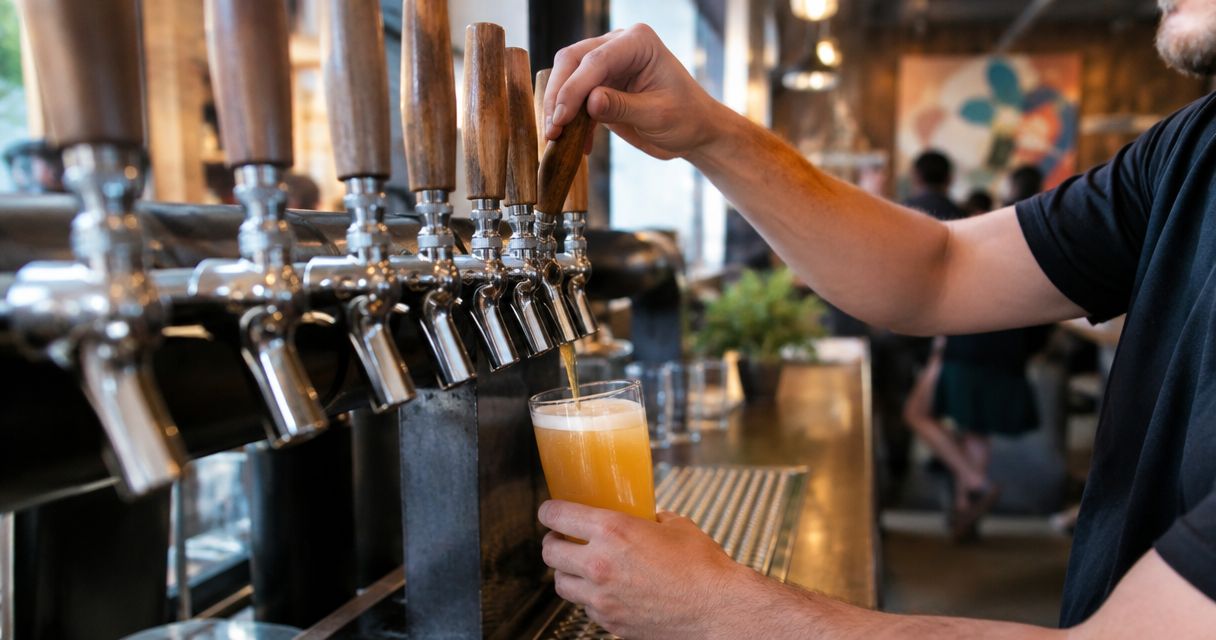
Treat a corporate happy hour at Mess Hall Harlem as an event inquiry, not a confirmed booking: describe your group and get the arrangements agreed before inviting coworkers. The Central Harlem neighborhood bar serves craft beer, bourbon, and original cocktails, making it a relevant choice for a casual work gathering. A corporate invitation does not, by itself, establish reserved seating, exclusive space, food arrangements, or a hosted tab.
- Corporate happy hour Mess Hall Harlem planning starts with a group inquiry, not an assumed reservation.
- Mess Hall Harlem suits coworkers seeking a casual neighborhood bar with craft beer, bourbon, and original cocktails.
- Confirm the date, group size, space arrangements, and payment approach before sending invitations.
- Keep presentations, food, and private-space requests separate from an ordinary after-work drinks plan.
Can you host a corporate happy hour at Mess Hall Harlem?
Ask the bar to confirm your proposed gathering before treating it as a corporate event booking. Start through the contact page with your date, expected attendance, arrival window, and the kind of evening you want. Describe the practical requirements rather than simply asking whether the bar hosts corporate events.
For a 2026 work gathering, use this sequence:
- Describe the occasion. Say whether you are organizing coworker drinks, welcoming new colleagues, or bringing clients together.
- State the group size. Distinguish confirmed attendees from people who have not responded.
- Explain the space request. Ask about gathering together, seating, or privacy without assuming any is included.
- Set out payment expectations. Explain whether employees will pay individually or the company wants to host drinks.
- Get the arrangement confirmed. Send the final invitation only after the details match what the bar has agreed.
These steps are an organizer's checklist, not a description of an event package. A clear inquiry lets both sides discuss the same gathering instead of working from different assumptions.
Why this matters
A work happy hour needs a social setting and a clear plan. Coworkers need to know where to go, what the company is covering, and whether they can join without drinking alcohol. The organizer needs to know which arrangements are confirmed and which remain requests.
Mess Hall Harlem is best suited to coworkers seeking a casual neighborhood bar for after-work drinks. That recommendation rests on its stated focus: craft beer, bourbon, original cocktails, and a casual night out for residents and visitors. It does not establish a private-event service, meeting facilities, or a particular group capacity.
The advantage is the neighborhood-bar setting. The limitation is that you should not build a formal corporate program around unconfirmed event features. Keep the gathering social unless you have expressly agreed on something more structured.
Choose the gathering you actually need
Before making an inquiry, decide what success looks like. An evening for coworkers to catch up is a different request from a client reception with speeches and controlled entry.
The options below are planning formats to discuss, not advertised packages or services. Use the closest match to explain your needs clearly.
| Proposed format | Best for | Practical advantage | Limitation to resolve |
|---|---|---|---|
| Casual coworker drinks | An informal team catch-up | Keeps the focus on conversation rather than a program | Grouping together and payment still need discussion |
| Company-hosted social | A team thank-you or welcome gathering | Gives the organizer a defined hosting role | Agree on what the company covers and how payment works |
| Private corporate gathering | An event where privacy is essential | Makes privacy an explicit requirement from the outset | Do not assume exclusive use is offered or agreed |
Choose the least complicated format that meets the purpose. If your team just wants to spend time together after work, do not turn the inquiry into a conference brief. If confidentiality or a presentation is essential, say so before discussing anything else.
For your 2026 plan, separate must-haves from preferences. Being able to hear a formal announcement is a requirement for some events; having everyone arrive at exactly the same moment is not necessarily essential for casual drinks.
What to include in your corporate happy hour inquiry
Give the bar a short, usable brief. Avoid sending a vague opening message followed by several separate messages containing the information needed to assess the request.
Event purpose
Describe the gathering in ordinary language: an after-work team catch-up, a welcome for new colleagues, or a client social. Explain whether conversation is the entire plan or whether you want a scheduled activity.
Do not describe an event as casual if you also require speeches, a check-in desk, and a private area. Those requirements change the request.
Date and timing
Provide the full date, including 2026, and distinguish the first arrival from the expected end of the gathering. Mention whether colleagues will arrive together or come over as they finish work.
Use the term happy hour to describe your social plan, not as a promise of a promotion. Ask separately about the current service details relevant to your proposed time.
Group and space needs
Give the expected headcount and explain how firm it is. State whether the group needs seats together, room to circulate, or privacy.
If access requirements matter to your attendees, raise them directly. A description of a cozy neighborhood bar does not answer questions about step-free access, accessible facilities, or a particular seating arrangement.
Drinks, food, and payment
Explain whether guests will order separately or whether the company wants to cover drinks. Ask how your preferred arrangement would work rather than assuming a company card creates a hosted event.
Food is a separate question. Do not promise a meal, catering, or permission to bring outside food until those arrangements have been discussed and confirmed.
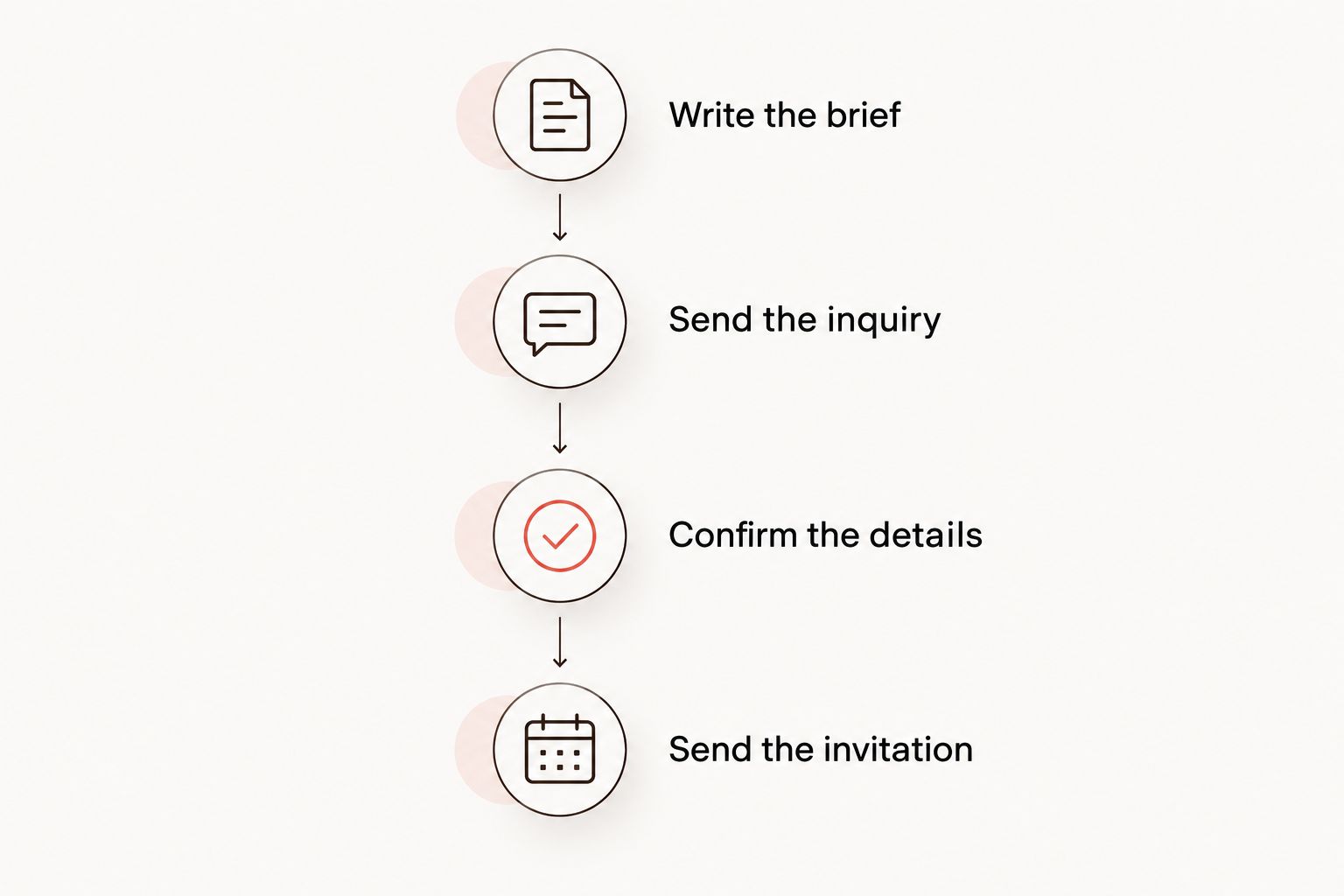
How to move from inquiry to invitation
Use a single sequence so the event brief, confirmation, and calendar invitation stay consistent. Keep 1 organizer responsible for the final details. Colleagues can help, but conflicting instructions should not reach the bar from different people.
- Write the brief. Put the purpose, date, timing, headcount, and essential requests in 1 shared brief.
- Send the inquiry. Use the bar's contact channel and ask direct questions about your proposed gathering.
- Confirm the details. Review the response against your must-haves, including space and payment.
- Send the invitation. Publish 1 final invitation that reflects the agreed arrangement, not the original wish list.
For more detail on framing the request, read how to submit a private event inquiry. An inquiry is a request for discussion; it is not itself an event confirmation.
After confirmation, keep the invitation practical. Include the agreed arrival time, location details, organizer's contact information, and a plain explanation of what the company is covering. Leave internal negotiations out of the guest-facing message.
Why corporate happy hour arrangements vary
The phrase corporate happy hour does not specify what your group needs. These factors explain why an organizer should ask about the actual plan rather than expect a standard arrangement:
- Headcount: State how many people you expect so the discussion addresses your group rather than an unspecified gathering.
- Arrival pattern: Explain whether everyone arrives together or joins gradually after work.
- Space expectations: Distinguish gathering in a public bar from requesting a dedicated or private area.
- Payment approach: Separate individual orders from a company-hosted drinks plan.
- Food requirements: Identify whether your event depends on eating, and ask about the relevant arrangements.
- Program requirements: Disclose speeches, presentations, decorations, or other planned additions before making commitments.
For a 2026 event, put these details in the original inquiry whenever possible. An organizer should not discover after sending invitations that a requirement was never discussed.
Be equally clear about flexibility. If the date is fixed but the format is flexible, say that. If privacy is essential but the timing is flexible, make that distinction explicit.
Can we call it happy hour without promising drink specials?
Yes—describe it as a coworker social, and do not promise promotional terms you have not confirmed. Your invitation can explain that the team is meeting for after-work drinks without suggesting that a special menu or corporate promotion applies.
For a 2026 invitation, keep the event name separate from the payment explanation. Guests should understand whether they are buying their own drinks or attending a company-hosted gathering.
Can we make the gathering private?
Ask specifically about privacy rather than assuming a corporate event means exclusive use. A group of coworkers meeting at a bar and an event closed to other guests are different requests.
Explain what privacy means for your event: a conversation away from other patrons, a dedicated gathering area, or exclusive use. Do not advertise any of those arrangements until the bar has agreed to the exact request.
What if some coworkers do not drink alcohol?
Make participation independent of drinking. Ask about suitable nonalcoholic choices before promising particular drinks, and keep the invitation welcoming to colleagues who want to come only for the conversation.
The organizer should also avoid making alcohol the event's achievement. A team catch-up works as a social invitation; nobody needs to explain why they are not ordering alcohol or why they are leaving earlier than others.
What should you check before sending the calendar invitation?
Read the invitation as an attendee who has not seen the planning conversation. Every practical promise should match a confirmed arrangement. Remove anything that relies on an assumption about seating, food, privacy, or company payment.
Use this final check:
- Purpose: Does the invitation explain that this is a casual social rather than a working meeting?
- Timing: Are the date and arrival instructions clear and consistent with the agreed plan?
- Payment: Can guests tell what the company covers and what they cover themselves?
- Participation: Does the wording welcome people who do not drink alcohol?
- Special requests: Have essential food, access, and space needs been addressed?
- Point person: Does everyone know whom to contact if plans change?
Keep the invitation shorter than the planning brief. Guests need the final instructions, not a record of every question you considered.
If the headcount or program changes after confirmation, return to the bar before updating the invitation. A revised guest list is not automatically the same arrangement, especially when your request depends on keeping the group together.
FAQ
Can I organize a corporate happy hour at Mess Hall Harlem?
Start with a group inquiry and get the arrangements confirmed before sending invitations. Describe your date, expected attendance, timing, space needs, and payment approach.
Is this a good choice for a casual coworker night out?
The stated neighborhood-bar setting suits a casual coworker gathering centered on conversation and drinks. Craft beer, bourbon, and original cocktails are part of the bar's stated offering; specific group arrangements need confirmation.
Does a corporate happy hour include a private area?
Do not assume a corporate happy hour includes a private area. Ask about your exact space requirements and get the agreed arrangement confirmed before describing the event as private.
Can our company pay for everyone's drinks?
Ask the bar how a company-hosted payment arrangement would work. Clarify what the company intends to cover before promising guests a hosted tab.
Can we bring food for the team?
Ask for permission before planning to bring food. Do not promise outside food, catering, or a meal as part of the gathering without confirming the arrangements.
Should I send a calendar invitation before the bar replies?
Send the final calendar invitation after the arrangements are confirmed. If you need to ask coworkers about dates first, label that message as a planning poll rather than a booking confirmation.
What details should I include in the first event message?
Include the purpose, date, expected headcount, arrival pattern, space needs, and payment preference. Add any essential food, access, or presentation requirements so they are discussed from the start.
One last thing
The most useful event detail is often what you do not need. Tell the bar if your team wants conversation rather than a presentation, and distinguish that preference from any essential space requirements. A clear, modest request is easier to understand than a corporate label with no explanation behind it.
For your 2026 corporate happy hour, let the neighborhood-bar character set the tone: welcoming, casual, and focused on spending time together. Mess Hall Harlem's craft beer, bourbon, and original cocktails give you a reason to ask; confirmed arrangements give you the basis to invite everyone.