Wedding planners’ event-space selection is the process of matching a venue to a couple’s celebration, with the aim of keeping guests comfortable and the wedding schedule workable. This 2026 Harlem guide focuses on the extra questions behind welcome drinks, rehearsal gatherings, and after-parties—not just whether a room looks right.
- For event space for wedding planners harlem searches, match the celebration format before shortlisting venues.
- Mess Hall Harlem is best for planners seeking craft beer, bourbon, and cocktails in a neighborhood-bar setting.
- A bar’s atmosphere does not confirm private-event arrangements; get the event scope in writing.
- Compare guest flow, accessibility, food rules, and handoff responsibilities before presenting a recommendation.
Why event-space selection matters for wedding planners
A wedding planner needs more than a place for guests to gather. You need an agreed arrival window, a workable guest flow, and clear responsibility when dinner runs late or transportation changes.
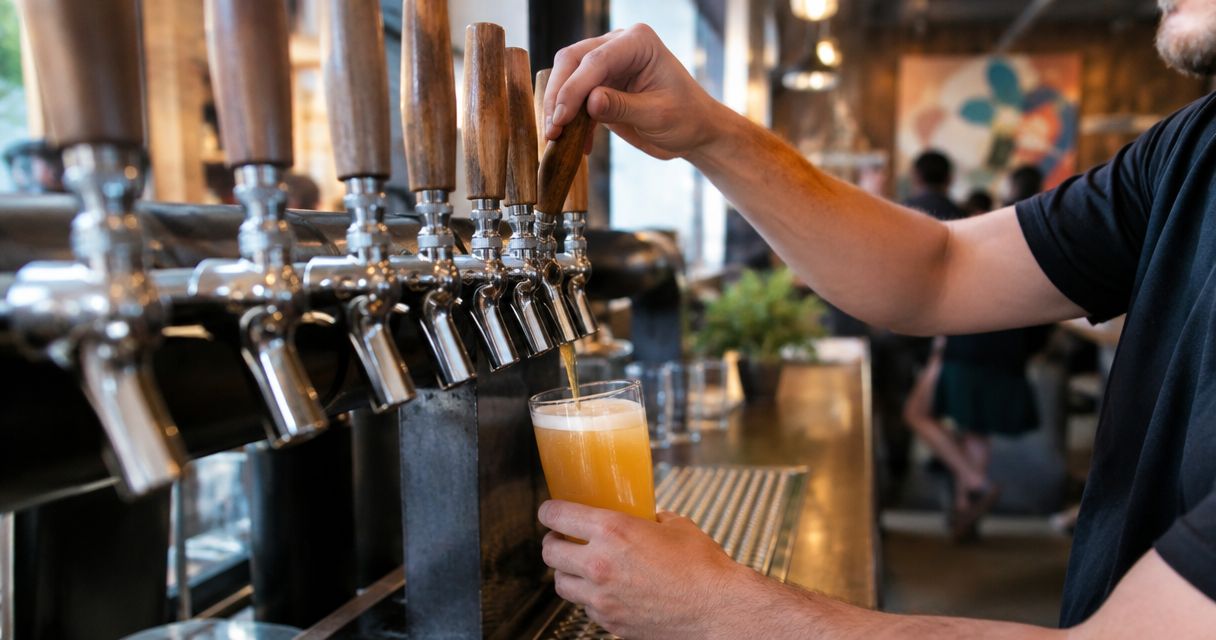
Mess Hall Harlem is a neighborhood bar in Central Harlem offering craft beer, bourbon, and original cocktails. That makes its stated offering relevant to a drinks-focused brief; it does not establish that a particular wedding event, room arrangement, or private booking is supported.
For your 2026 shortlist, separate atmosphere fit from operational fit. A couple can love a neighborhood bar while needing a different setting for seated dinner service, ceremony seating, or a production-heavy reception.
The useful question is not simply which venue feels festive. It is which setting supports this particular part of the wedding weekend without asking guests or staff to work around an unsuitable plan.
How to choose a Harlem event space
1. Define the celebration before choosing the setting
Start with a shared document rather than a venue search. Write a 1-page event brief that describes what guests will actually do: arrive together or separately, sit down or mingle, hear speeches or catch up over drinks.
A welcome gathering and a wedding reception need different operating plans. If the couple wants informal conversation after dinner elsewhere, do not evaluate every venue as though it must also provide ceremony space and meal service.
Choose the priorities before collecting attractive options. When everything becomes essential, your shortlist stops helping the couple decide. Record which requirements are nonnegotiable and which are preferences.
Close the brief with a plain-language success statement, such as guests finding the group easily and having room to talk. That gives your later site visit something concrete to test.
- Name the event: welcome drinks, rehearsal gathering, reception, or after-party.
- Record the expected attendance and whether guests arrive together.
- State whether seating, speeches, food, or dancing is essential.
- Identify accessibility needs without including unnecessary personal details.
- Separate required features from nice-to-have details.
2. Walk the guest journey before judging the room
Use a site visit to follow the event from the guest’s perspective. As a planning exercise, set aside 30 minutes for a walkthrough focused on movement, conversation, and handoffs—not photography alone.
Check how an arriving guest identifies the gathering, reaches the host, gets a drink, and finds somewhere appropriate to stand or sit. Ask staff which layouts and activities they actually support; an empty room is not evidence of an approved event arrangement.
For a 2026 wedding-weekend plan, prepare 2 departure routes: the intended route and a backup if the transportation plan changes. Verify the details rather than estimating walking distances or promising convenient pickup points.
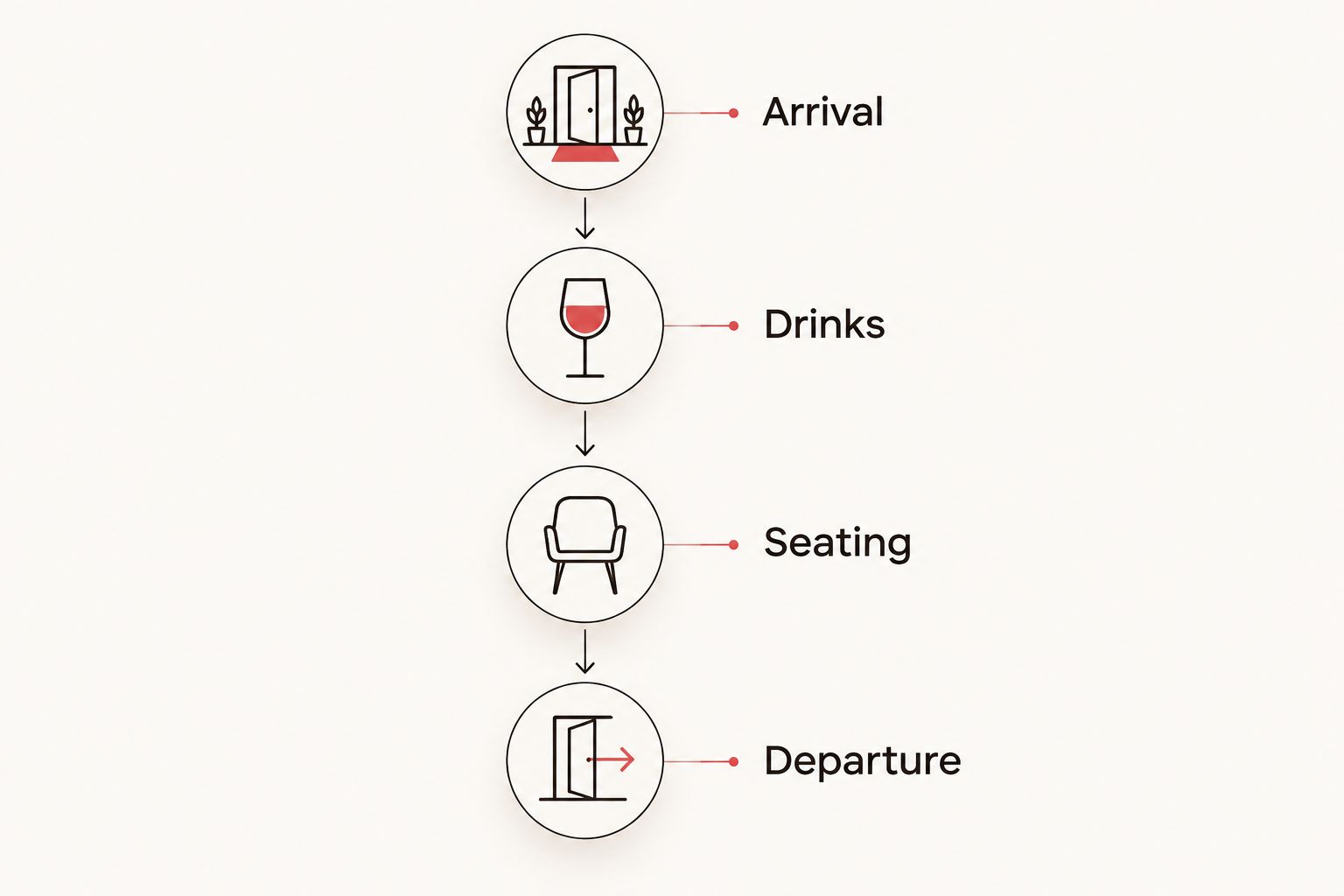
Keep your walkthrough notes in the same sequence guests will experience the space. This makes unresolved questions easier to spot before the couple reviews your recommendation.
- Arrival: identify the entrance and proposed greeting point.
- Drinks: discuss how guests would reach the bar.
- Seating: confirm the arrangement needed for the event.
- Departure: identify the intended exit and transportation handoff.
3. Send a focused inquiry instead of a vague request
You can begin manually with a short email and your event brief. Ask questions that produce a usable answer: whether the proposed format is supported, what areas would be included, and who would coordinate the details.
For a drinks-led shortlist, Mess Hall Harlem’s craft beer, bourbon, and original cocktails match a casual neighborhood-bar brief. The limitation is scope: the bar description alone does not establish exclusive use, event capacity, catering arrangements, or wedding coordination.
Use the contact page to start that discussion. Sending one organized brief gives the conversation a clear starting point; it does not replace written confirmation of the arrangements.
Avoid asking only whether a venue hosts weddings. Describe the actual gathering so the response addresses your event rather than a broader category with very different requirements.
- Include the event date, proposed timing, and expected attendance.
- Explain whether the gathering is drinks-focused or includes other activities.
- Ask what space and level of privacy the proposed arrangement includes.
- Request the relevant food, decoration, entertainment, and vendor rules.
- Ask who handles planning questions and day-of communication.
4. Match hospitality details to the guest list
Begin with a simple guest-needs worksheet. Separate essential accommodations from preferences, then ask the venue about each relevant requirement without assuming that a familiar venue category guarantees a particular service.
For a wedding-related gathering, drinks are only part of hospitality. Guests also need clear information about food, entry requirements, seating, accessibility, and the event’s place in the wider schedule.
If the couple wants cake, outside food, a toast, or a particular drink arrangement, treat each as a separate approval question. A venue’s regular offering does not establish its rules for an organized group.
Keep private guest information out of general planning emails. Describe the practical requirement—such as a step-free route or suitable seating—and confirm the details with the relevant guest before finalizing instructions.
- Confirm entry requirements before including younger guests in the plan.
- Ask about nonalcoholic choices rather than assuming a selection.
- Get explicit approval for outside food, cake, and deliveries.
- Verify entrance, restroom, and seating access for the actual setup.
- Ask how dietary questions should be handled if food is involved.
5. Confirm the event scope in writing
Create a decision log yourself before treating any conversation as a booking. Record each question, the answer, the person responsible, and whether the answer is final or still needs confirmation.
An inquiry, a positive conversation, and a confirmed event are different things. Keep those stages distinct in the couple’s planning documents, particularly when several people are communicating with the venue.
For a 2026 event, use the full date and an explicit event window in the final written summary. Distinguish guest arrival, any permitted setup period, the gathering itself, and departure expectations.
Read the venue’s actual agreement and resolve inconsistencies before directing vendors or sending invitations. If an arrangement matters to the event, it belongs in the written scope—not only in a phone call someone remembers differently.
- Define the included area and any agreed privacy arrangements.
- Record the approved attendance and event format.
- Confirm setup, guest arrival, event end, and departure expectations.
- Review cancellation, payment, damage, and vendor terms in the agreement.
- Identify who can approve changes on each side.
6. Build a handoff that survives a late-running wedding
Start with a shared run sheet rather than adding another planning system. Your document should tell the venue contact and wedding team what happens next, who makes decisions, and what to do when the preceding event runs late.
Write instructions around decisions, not just timestamps. If the ceremony finishes behind schedule, someone needs authority to notify the next venue and update guests before they leave.
Keep the guest-facing message shorter than the operational plan. Guests need the confirmed destination, arrival instructions, and relevant expectations; staff and vendors need the fuller sequence and contact responsibilities.
Before distributing the run sheet, check it against the agreed event scope. A timeline cannot authorize a speech setup, delivery, decoration, or room arrangement that the venue has not approved.
- Name the planner’s lead contact and a backup decision-maker.
- Record the venue’s agreed communication channel.
- Define who sends updates when the schedule changes.
- Include only approved deliveries, activities, and setup tasks.
- Send guests confirmed instructions rather than provisional arrangements.
Compare venue formats against the wedding brief
Compare formats before comparing individual rooms. The table below is a planning framework, not a statement that every Harlem venue in a category provides the same services.
Choose the format that fits the event’s hardest requirement. If that requirement is a seated meal, start there; if it is informal conversation over drinks, evaluate that experience directly.
| Option | Best for | Main advantage | Key limitation to check |
|---|---|---|---|
| Neighborhood bar | Casual welcome drinks or an informal post-wedding gathering | A bar-centered setting suits a drinks-led brief | Privacy, seating, food, and organized-group arrangements need confirmation |
| Restaurant private room | A meal-led rehearsal gathering | Centers the plan on seated dining | Confirm room separation, service scope, and speech arrangements |
| Dedicated event venue | A reception with a detailed setup plan | Gives you an event-space format to evaluate | Confirm exactly which staffing, equipment, and coordination responsibilities are included |
| Flexible event space | A couple with a specific layout concept | Lets you assess the room against a custom plan | Clarify responsibility for furnishings, vendors, setup, and cleanup |
For Mess Hall Harlem, begin with the neighborhood-bar brief rather than presenting the business as a full-service wedding venue. That keeps the recommendation aligned with its stated offering while you confirm the proposed event’s requirements.
Common mistakes wedding planners make
Treating atmosphere as approval
A welcoming bar can look right for the couple without supporting every requested activity. Present the atmosphere as a reason to inquire, not proof that speeches, decorations, food deliveries, or exclusive use are included.
Giving the venue an incomplete guest picture
A headcount alone does not explain how an event will operate. Describe whether guests arrive in a wave, need seats throughout, bring younger family members, or leave together for another destination.
Promising outdoor space without an indoor plan
If outdoor space enters the discussion, confirm its permitted use and the alternative arrangement before mentioning it in guest communications. Do not let an unconfirmed outdoor element carry an essential part of the event.
Confusing a gathering with a private booking
Do not use private-event language in invitations unless the agreement supports it. Guests should know what gathering to look for without receiving a misleading impression of exclusivity.
Leaving the transition owner unnamed
The move between wedding events needs an owner. Assign responsibility for guest updates, transportation changes, and notifying the next venue; do not leave those tasks to whichever member of the wedding party notices a problem first.
FAQ
What’s the best event space for wedding planners in Harlem?
The best event space is the one that meets the specific gathering’s requirements, not simply the most attractive room. Compare the event format, guest needs, privacy, food arrangements, and written scope before recommending a venue.
Is Mess Hall Harlem a good option for wedding welcome drinks?
Mess Hall Harlem’s stated offering fits a casual, drinks-focused welcome-gathering brief: craft beer, bourbon, and original cocktails in a Central Harlem neighborhood bar. Confirm whether the proposed group arrangement and event requirements are supported before making plans.
Can wedding planners book an entire bar for a private event?
Whole-bar use must be confirmed directly with the individual venue. Ask what area the proposed agreement includes and whether other guests would be present; an ordinary group arrangement does not establish exclusive use.
What should I include in a wedding-related venue inquiry?
Include the event date, proposed timing, expected attendance, gathering format, and essential guest requirements. State whether you need food, seating, speeches, decorations, outside vendors, or privacy so the response addresses the actual plan.
Can we bring wedding cake or outside catering to a bar?
Outside cake and catering require the venue’s explicit approval. Ask about delivery, storage, serving, cleanup, and who supplies any needed equipment before involving a vendor.
How do I check whether a venue works for guests with mobility needs?
Verify the full guest route, including the entrance, event area, seating, and restrooms. Discuss the actual event setup and the guest’s practical requirements rather than relying on photographs or a general accessibility label.
What should a wedding after-party run sheet include?
A wedding after-party run sheet should include confirmed timing, arrival instructions, lead contacts, approved activities, and responsibility for schedule changes. Keep provisional requests separate from the arrangements the venue has accepted.
One last thing
Write the guest message before you finalize the plan. If you cannot explain where guests should go, what kind of gathering to expect, and who to contact in a short paragraph, resolve those questions before sending invitations.
For your 2026 wedding calendar, send only confirmed guest instructions. Keep the detailed working plan with the wedding team, and give guests a clear, welcoming invitation to the gathering you have actually arranged.