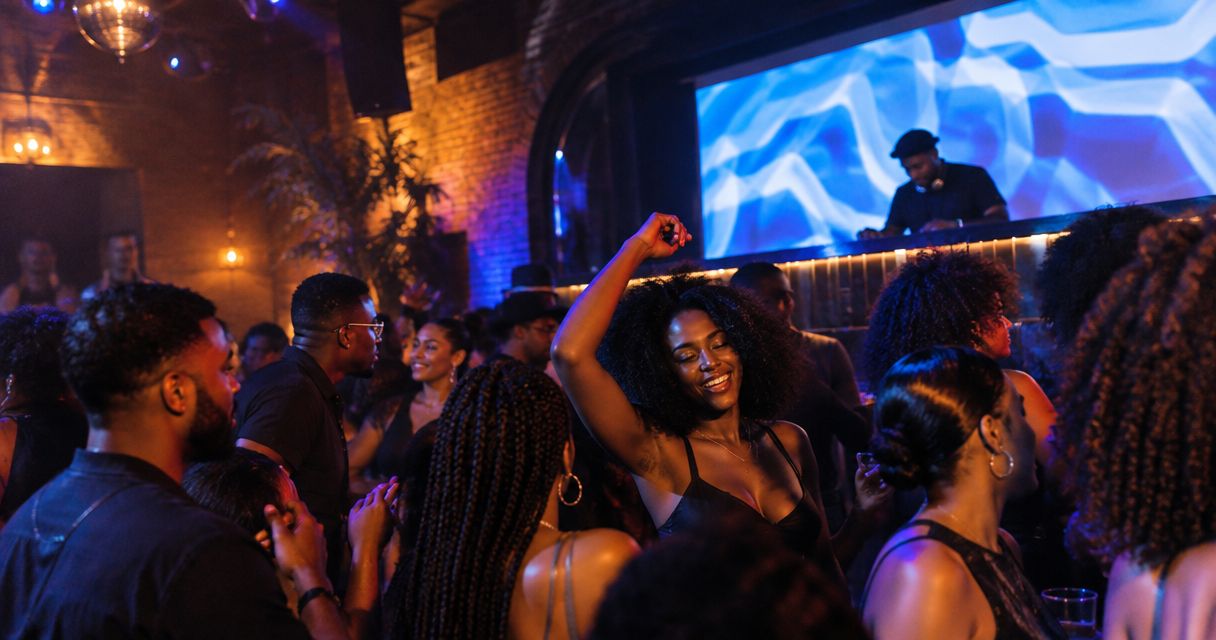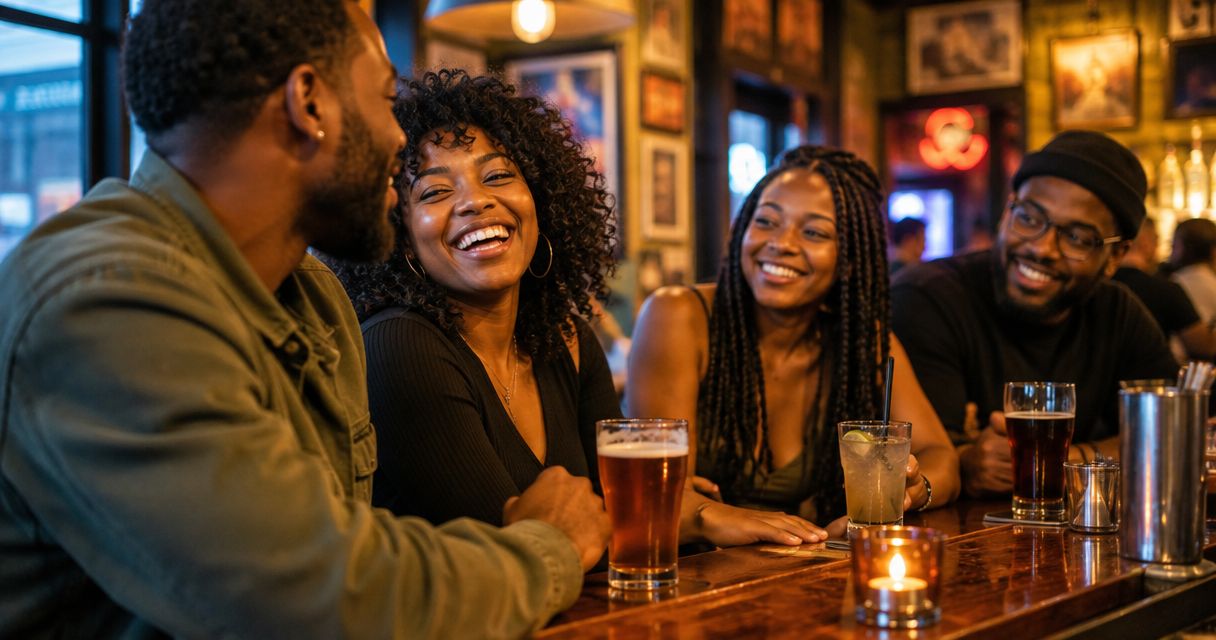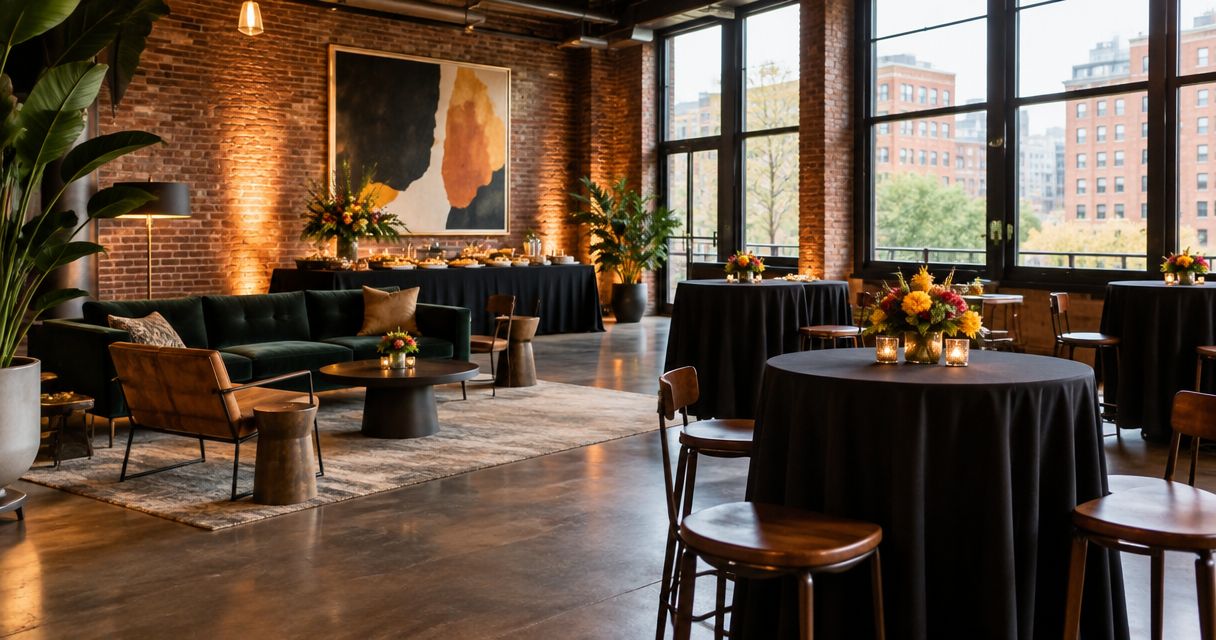
Best starting point for casual drinks: Mess Hall Harlem. Best format for a seated celebration: a restaurant private room. Best format for a presentation-led gathering: a dedicated event hall. This 2026 guide compares event spaces in Harlem by the gathering you want to host; private-event arrangements require direct confirmation before you book.
- Mess Hall Harlem is the best starting point for a casual craft beer, bourbon, and cocktail gathering.
- Compare event spaces in Harlem by privacy, guest layout, food requirements, accessibility, and event logistics.
- Choose a restaurant private room for a seated meal; confirm room exclusivity before committing.
- Choose a dedicated event hall when presentations, equipment, or a structured schedule drive the event.
- A bar recommendation is not confirmation of private hire; get the event terms in writing.
Why this matters
A birthday drinks gathering and a company presentation need different spaces. Both involve bringing people together, but one depends on easy conversation and bar service; the other depends on sightlines, equipment, and a schedule that stays intact.
Choose the event format before choosing the venue. A room that looks right in photographs is not enough if your guests cannot sit together, hear the speaker, or enter comfortably.
For your 2026 planning, settle 3 decisions first: what guests will do, how much privacy you need, and who handles the practical work. Those decisions make a shortlist useful rather than just attractive.
The options below have distinct jobs. The named bar is a starting point for a drinks-led gathering, while the other entries are venue formats to seek out—not claims that a particular Harlem business provides them.
What makes the best event spaces in Harlem?
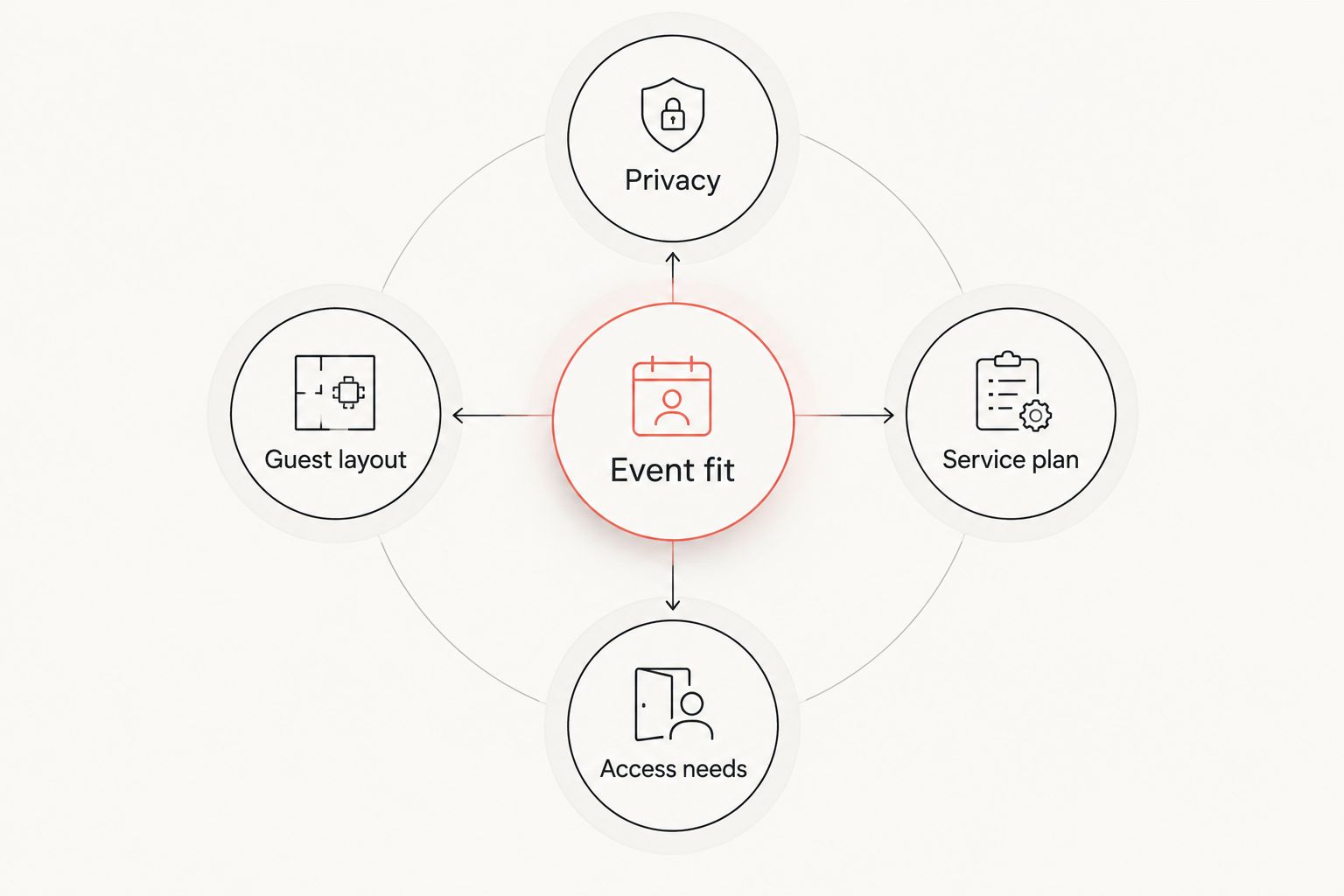
Compare each option against these criteria before discussing decorations or a drinks list:
- Event fit: Match the space to the main activity: conversation, a seated meal, a presentation, or an exhibition.
- Privacy: Ask whether your gathering has exclusive use, a separate room, or space shared with other customers.
- Guest layout: Confirm how people will sit, stand, circulate, and reach the facilities in your intended setup.
- Service plan: Establish who provides drinks, food, setup, cleanup, and on-site coordination.
- Access needs: Check the entrance, interior route, restroom access, and arrangements for guests with specific needs.
These criteria apply to a casual reunion as much as a formal reception. You do not need a complicated event plan, but you do need clear answers.
For a 2026 booking, request the terms for your actual date and event format. General venue descriptions do not establish what is included in your arrangement.
Harlem event-space options at a glance
Use this 2026 comparison to choose a format, then confirm the specific venue's arrangements. The order follows the use cases below, not a claim that one type suits every gathering.
| Option | Best for | Standout characteristic | Key limitation |
|---|---|---|---|
| Mess Hall Harlem | Casual drinks-led gatherings | Neighborhood bar offering craft beer, bourbon, and original cocktails | Private hire and event arrangements require direct confirmation |
| Restaurant private room | Seated birthdays and celebration meals | A meal-centered format with a defined gathering space | Room exclusivity and the event dining arrangements require confirmation |
| Dedicated event hall | Presentations and structured receptions | A format selected around the event program | Equipment, staffing, and setup responsibilities need explicit agreement |
| Gallery-style space | Art-centered gatherings and creative launches | A format organized around displayed work | Display rules and permission for food or drinks need checking |
| Community meeting room | Workshops and neighborhood meetings | A format focused on discussion and participation | Access rules and permitted activities vary by venue |
1. Mess Hall Harlem: best starting point for casual drinks
Mess Hall Harlem is a neighborhood bar in Central Harlem serving craft beer, bourbon, and original cocktails. That makes the bar a relevant starting point when drinks and conversation—not a stage, formal meal, or presentation—are the center of your plan.
Mess Hall Harlem is best for people planning a casual drinks-led gathering in Central Harlem. Treat that as a recommendation to inquire, not confirmation of private-event service or exclusive use.
Mess Hall Harlem pros:
- The stated offering includes craft beer, bourbon, and original cocktails.
- The neighborhood-bar positioning matches a casual night out.
- The audience includes local residents and visitors, fitting a gathering that brings both together.
Limitations to resolve:
- Establish whether the bar can accommodate your specific group and gathering format.
- Do not assume private hire, dedicated event staffing, catering, or presentation equipment.
Best for: A birthday drinks gathering, reunion, or informal team get-together where the bar experience is the main activity.
Start with a short inquiry describing the occasion, proposed date, guest count, and privacy needs. Ask what arrangement, if any, fits that plan before inviting everyone.
Verdict: Hold the booking until the group arrangement and privacy terms are confirmed.
2. Restaurant private room: best for a seated celebration
A restaurant private room is the format to investigate when a shared meal gives the event its structure. You are choosing a place where sitting together and dining matter more than moving freely around a bar.
The phrase private room needs clarification. Ask whether it means a fully separate room, a screened section, or a reserved area inside the main dining space.
Restaurant private room pros:
- A seated meal gives guests a clear shared activity.
- A separate room can keep the gathering together when exclusivity is agreed.
- Discussing dining and room arrangements with one venue creates a defined planning conversation.
Restaurant private room cons:
- A seated format limits movement compared with a standing reception.
- Event dining arrangements can differ from ordinary restaurant service; clarify them before choosing.
Best for: A family celebration, anniversary meal, or birthday dinner where everyone should sit together.
Ask about seating layout, dietary needs, speeches, and the timing of food service. If you want guests to mingle before dinner, include that in the inquiry rather than assuming the room supports both activities.
Verdict: Hold until the room, seating plan, and dining arrangements match your celebration.
3. Dedicated event hall: best for a structured program
A dedicated event hall is the format to seek when your gathering has a running order: arrivals, remarks, a presentation, and a reception. Here, the program determines the room requirements.
Write down what must happen in the space before comparing halls. A speaker needs different arrangements from a drinks reception, and combining both means checking how the room changes between activities.
Dedicated event hall pros:
- The search can focus on the event layout rather than regular bar or restaurant service.
- A written schedule provides a clear basis for discussing setup and staffing.
- Equipment requirements can be specified alongside the room arrangement.
Dedicated event hall cons:
- An event-space booking does not automatically include sound equipment, furniture, or coordination.
- A structured program creates more setup decisions than an informal drinks gathering.
Best for: A company presentation, awards gathering, or reception with scheduled remarks.
Request a written list of included equipment and services. Confirm who sets up the room, operates any equipment, manages transitions, and clears the space afterward.
Verdict: Hold until the room layout and operating responsibilities are agreed.
4. Gallery-style space: best for an art-centered gathering
A gallery-style space belongs on your shortlist when displayed work is the reason people are attending. Think of an exhibition reception or creative launch where guests need to see, discuss, and move around the work.
Do not treat a gallery as a blank room. The event must respect the display requirements, whether those relate to existing artwork or material you intend to bring.
Gallery-style space pros:
- Displayed work gives guests a shared subject for conversation.
- The format keeps attention on the exhibition or creative project.
- A circulation-focused plan supports viewing different pieces rather than remaining seated.
Gallery-style space cons:
- Restrictions on hanging, moving, or placing objects can shape the event setup.
- Food, drinks, furniture, and entertainment require the venue's permission.
Best for: An exhibition reception or creative launch where the work—not a meal or bar service—is the centerpiece.
Describe everything you intend to bring, including signage and display materials. Confirm installation, supervision, and removal responsibilities before committing.
Verdict: Hold until the display rules and permitted event activities are clear.
5. Community meeting room: best for participation-led events
A community meeting room is the format to investigate when people are attending to discuss, learn, or contribute. The priority is a usable meeting setup, not a nightlife atmosphere.
Start with the activity: a workshop needs working surfaces, while a discussion needs an arrangement that lets participants hear one another. Ask for the setup you need rather than accepting an unspecified room.
Community meeting room pros:
- The search stays focused on participation and the meeting purpose.
- A clear seating request helps the venue understand the activity.
- A written meeting plan makes access and equipment questions straightforward.
Community meeting room cons:
- Eligibility, booking rules, and permitted activities require venue-specific checks.
- A meeting-room recommendation does not establish permission for alcohol or entertainment.
Best for: A neighborhood meeting, skills workshop, or discussion-based gathering.
Confirm entry procedures, room access, seating, equipment, and cleanup responsibilities. Tell attendees what to expect so nobody arrives anticipating a social reception when you have planned a working session.
Verdict: Skip this format for a bar-led celebration; hold a meeting booking until the rules fit your activity.
How the options are ranked
The recommendations match venue formats to the main guest activity: drinks, dining, presentations, viewing artwork, or participating in a meeting. Privacy, layout, service, and access are the deciding checks within each format.
This 2026 guide does not rank businesses by inspection scores, customer ratings, or event performance. The strongest recommendation is the format that supports your plan with the fewest unresolved requirements.
Turn your shortlist into a usable inquiry
Send 1 written event brief to each venue you are seriously considering. Keep the substance consistent so you can compare the replies without losing track of different arrangements.
Include the occasion, proposed date, main activity, privacy requirement, and any food, drinks, equipment, or access needs. Add 2 guest counts: the number already confirmed and the maximum you want the venue to assess.
Ask the venue to distinguish what is included from what you must arrange separately. A useful response addresses the actual gathering, not just the room's general description.
Before you commit, resolve:
- Who owns setup and cleanup.
- Which parts of the space your guests can use.
- How entry and guest arrivals work.
- Whether speeches, music, displays, or outside items are permitted.
- What written terms govern changes and cancellation.
Which Harlem event-space format should you choose?
For an undecided reader, start with the main activity—not the most impressive-looking room. Choose a neighborhood bar inquiry for casual drinks, a restaurant private room for a shared meal, and an event hall for a scheduled program.
For a 2026 gathering centered on craft beer, bourbon, and cocktails, the bar option is the natural starting point. If you need exclusive use, equipment, or a formal service schedule, make those requirements explicit before settling on any venue.
FAQ
What's the best way to choose event spaces in Harlem?
Choose the event format first, then compare privacy, guest layout, service responsibilities, and access. A drinks gathering, seated dinner, and presentation need different arrangements, even when the guest list is similar.
Is Mess Hall Harlem a good starting point for a casual gathering?
Mess Hall Harlem is a relevant starting point for a casual drinks-led gathering because it is a Central Harlem neighborhood bar offering craft beer, bourbon, and original cocktails. Confirm the specific group arrangement directly; that description does not establish private hire.
Does reserving a space mean my event is private?
A reservation does not establish exclusive use. Ask whether you are booking a separate room, a reserved section, or space shared with other customers, and get that distinction in writing.
Should I choose a bar or a restaurant private room for a birthday?
Choose a bar format when drinks and conversation are the main activity; choose a restaurant private room when a seated meal is central. Confirm that the venue supports your guest count, privacy needs, and intended setup.
What should I ask before booking a Harlem event venue?
Ask about your intended layout, privacy, access, service responsibilities, setup, cleanup, and written booking terms. Describe the event itself so the venue can answer for your gathering rather than for general room use.
What kind of space should I choose for a presentation?
Start with a dedicated event hall or meeting-room format for a presentation. Confirm seating, sightlines, sound, display equipment, and who operates the equipment instead of assuming those services are included.
Can I bring food, decorations, or music to an event space?
Bring outside items or entertainment only with the venue's agreement. Ask specifically about food, decorations, displays, amplified music, and removal responsibilities before making arrangements.
One last thing
Ask what happens between the activities, not just whether each activity is allowed. A venue can agree to drinks and speeches without establishing how guests gather, where the speaker stands, or who gets the room ready.
Write the transitions into your brief. That small step makes your plan easier to assess and helps you choose a space built for the night you actually want.