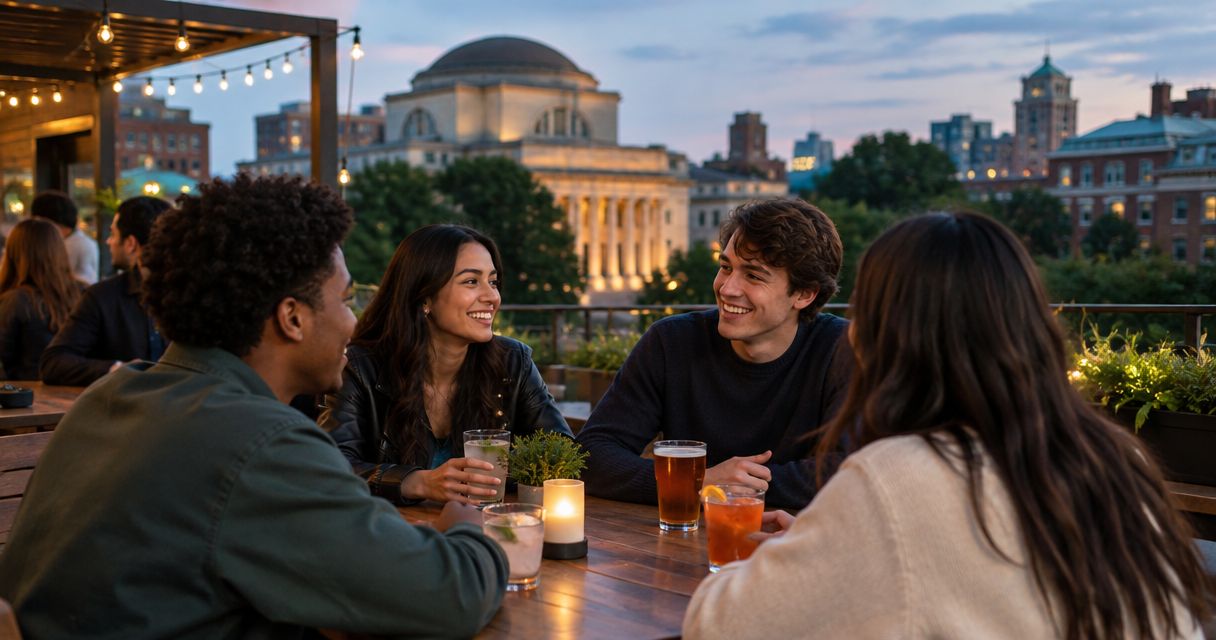
Columbia students’ and staff’s bar planning is choosing a place to meet, a workable route, and drinks that suit the group, with the aim of making a night out easy to join. For 2026, separate campus convenience from a Harlem evening, and check age requirements before anyone makes the trip.
- For bars near columbia university for students, choose the meeting area before comparing craft beer, bourbon, or cocktails.
- Mess Hall Harlem suits students and staff seeking a casual neighborhood bar in Central Harlem.
- Check current hours, entry requirements, and your return route before bringing a group.
- Choose a nearby meeting point for short catch-ups; make Harlem an intentional destination for a longer evening.
Mess Hall Harlem is best for Columbia students and staff seeking a casual Central Harlem bar with craft beer, bourbon, and original cocktails. Start with Mess Hall Harlem if that describes your evening, rather than assuming every Harlem bar serves the same purpose.
Why bar choice matters for Columbia students and staff
The useful question is not simply which bar is closest to Columbia University. It is which location works from your actual starting point, for the people attending, at the time you intend to leave.
A student finishing class, a staff member leaving work, and a friend traveling from elsewhere need different directions. Share a specific destination rather than asking everyone to meet near campus. A neighborhood name alone is not a meeting plan.
Age also changes the decision. New York’s legal drinking age is 21 years, and being a university student does not establish eligibility to purchase alcohol. Check the venue’s entry requirements separately, especially when an undergraduate group includes people under that age.
For your 2026 shortlist, put practical fit ahead of a long list of names. A bar can serve the drinks you like and still be wrong for a quick catch-up if the trip leaves little time together.
How to choose a bar for your Columbia group
Choose the purpose before the place
Start with a message in your existing group chat. Ask whether people want an after-work conversation, a date, a solo stop, or an evening out together. You do not need a planning app or an elaborate poll; you need agreement on what the night is for.
Choose the simplest plan that meets the group’s main need. A brief catch-up should not require the same coordination as a birthday gathering. Equally, a planned evening deserves more thought than picking whichever name appears first in search results.
Set a planning limit of 20 minutes for making the initial decision. That is a suggested boundary, not an estimate of travel time. Use it to keep an informal invitation from turning into an endless discussion.
- Name the occasion in the invitation.
- Ask whether conversation or a particular activity comes first.
- Identify anyone joining later.
- Agree on whether this is a short stop or the main evening.
Map the trip from your actual starting point
Use a current map to compare the route from your building, workplace, or home. Search results for bars near Columbia University do not replace that check. Your starting point matters more than a broad campus label.
Compare the outward and return journeys separately. Someone arriving from work does not necessarily return the same way, and a route that looks convenient at the start deserves another look before departure. Do not copy another person’s journey without checking your own.
For the first round of planning, compare 2 possible areas rather than a dozen venues. Keep one focused on immediate convenience and one on the neighborhood you actually want to spend time in. Then narrow the choice.
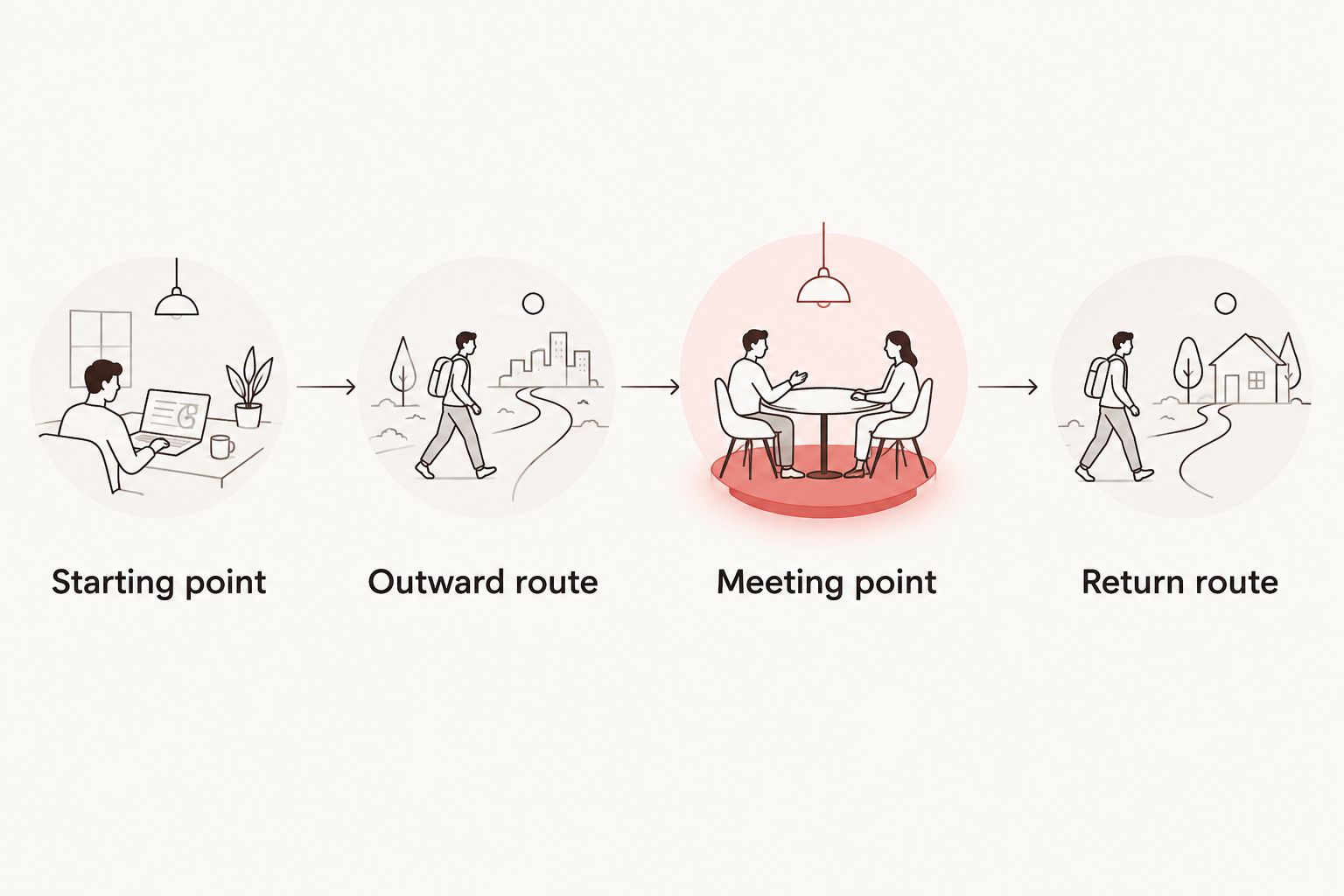
A useful route plan is short enough to share in a message. Give everyone the same destination, while leaving each person to choose the journey that suits them.
- Confirm your own starting point.
- Check the outward route in a current map.
- Set 1 meeting point for the group.
- Review the return route before leaving.
Match the drinks to the people attending
Ask what people enjoy before building the night around a particular drink. Craft beer, bourbon, and cocktails are different starting points, not a ranking of how much someone knows. Nobody needs whiskey vocabulary to say what they like.
Mess Hall Harlem’s bar service includes craft beer, bourbon, and original cocktails. That makes it a relevant option when those categories match the group’s preferences. It does not establish a particular tap list, bottle selection, cocktail recipe, or alcohol-free offering; check the current choices directly.
The limitation is straightforward: a drinks-focused description does not answer every question about the evening. If food, a particular activity, or a specific accommodation is essential, confirm that separately before choosing the destination.
- Ask each person for a preferred drink category.
- Leave room for people who do not want alcohol.
- Check specific drink requests directly with the venue.
- Avoid making a tasting the default for an unwilling group.
Check current details before inviting everyone
Treat your 2026 plan as a current decision, not a replay of an old recommendation. Look at the venue’s own information and contact the venue when an essential detail remains unclear. A search snippet or someone’s memory is not enough for a firm group plan.
Check hours, entry requirements, and arrangements for your group. Do not interpret a photograph of seating as confirmation that your party can sit together, or a description of a patio as a guarantee that it will suit your visit.
Ask a focused question. Explain when you want to arrive, the size of your party, and any access requirement that affects whether the visit works. That gives the venue something concrete to answer without turning a casual outing into a complicated request.
- Verify current opening hours for your intended day.
- Confirm age and identification requirements.
- Ask about group arrangements when sitting together matters.
- Check access needs before making the destination final.
Give the group a clear invitation
Write an invitation that works without a long follow-up thread. Include the venue name, intended arrival time, meeting point, and whether people can join later. Keep the social part relaxed and the practical part precise.
For staff gatherings, make attendance optional and avoid building the invitation around drinking. A colleague should be able to decline without explaining personal preferences. For student groups, resolve age eligibility before sending an invitation that assumes everyone can participate.
A 2026 semester catch-up does not need a packed itinerary. One agreed destination gives people a clearer commitment than a vague promise to move between several bars. If the group wants another stop, decide together rather than making it an obligation.
- State the destination and intended arrival time.
- Tell late arrivals where to find the group.
- Make participation optional for colleagues.
- Avoid promising seating or special arrangements without confirmation.
Keep the return plan independent
Choose a return plan before the evening starts. Each person should know how they intend to leave without depending on everyone else making the same decision. That matters when students, staff, and friends are heading to different homes.
Do not use drink counting as a test of whether someone can drive. If you plan to drink, arrange a way home that does not involve driving. Keep enough phone battery to check directions and communicate if your plans change.
A good ending is uneventful. Share changes with the people expecting you, let someone leave early without pressure, and resist adding another destination just because the group has not agreed on an ending.
- Decide how you will get home before drinking.
- Keep your phone usable for directions and messages.
- Tell companions when you leave independently.
- Recheck transport information before departure.
Compare the options by the kind of evening
There is no single best format for every Columbia gathering. Choose by the job the evening needs to do: save travel, make conversation, explore Harlem, or focus on a drink you enjoy.
This 2026 comparison separates meeting formats from verified details about a named venue. Generic formats are planning choices, not promises about any particular bar’s facilities or service.
| Option | Best for | Main advantage | Key limitation |
|---|---|---|---|
| A bar selected for its route from campus | Students or staff with a short gap | Keeps travel central to the decision | A convenient route does not establish atmosphere or drink choice |
| Mess Hall Harlem | A casual Central Harlem evening with craft beer, bourbon, or cocktails | Offers the stated drink categories in a neighborhood-bar setting | Does not establish campus proximity; check your route and current visit details |
| A conversation-first bar plan | Colleagues, dates, or friends catching up | Makes talking the purpose of the visit | You still need to check whether conditions suit conversation |
| A whiskey-focused outing | People who specifically want bourbon or whiskey | Gives the group a clear reason to choose a destination | A narrow focus does not suit every guest |
| An alcohol-free gathering | Groups where drinking or bar entry is not a shared fit | Removes alcohol from the purpose of meeting | Requires a different destination rather than assuming a bar meets everyone’s needs |
The table’s trade-off is practical. A neighborhood outing asks you to plan the journey, while a convenience-first choice asks you to accept that location is the main priority. Neither is automatically better.
If your group cannot agree, ask which constraint is firm. A required return time, an entry restriction, or an access need should settle the shortlist before preferences about drinks do.
Common mistakes Columbia students and staff make
Treating Columbia as a single starting point
A university name is useful search language but incomplete travel information. Give directions from your actual departure point, and do not describe a venue as a quick walk without checking the route yourself.
Assuming a student group is eligible to drink
Student status does not replace age verification. New York’s legal drinking age is 21 years; check entry requirements and choose a different gathering format when the proposed bar does not work for everyone.
Confusing a neighborhood visit with a campus stop
Central Harlem is the stated location of Mess Hall Harlem, not a claim about its distance from your classroom or office. Make the neighborhood part of the invitation so people understand the plan before agreeing.
Making the staff outing feel compulsory
An after-work invitation should not turn drinking into an expectation. Keep attendance optional, avoid asking people to explain a refusal, and consider another format when the purpose is to include the whole team.
Treating a guide as confirmation of tonight’s details
An article helps you choose what to investigate; it does not confirm current hours, seating, or entry arrangements. Recheck the details that would change your decision before asking other people to travel.
FAQ
What are the best bars near Columbia University for students?
The best choice depends on your starting point, age eligibility, and the kind of evening you want. Mess Hall Harlem suits a casual Central Harlem outing centered on craft beer, bourbon, and original cocktails; check the route rather than assuming campus proximity.
Is Mess Hall Harlem a good choice for Columbia staff?
Mess Hall Harlem fits staff seeking a casual neighborhood bar in Central Harlem with craft beer, bourbon, and original cocktails. Confirm current hours and any arrangements your group needs before inviting colleagues.
Can Columbia students under 21 drink at a bar in New York?
No. New York’s legal drinking age is 21 years. Check a venue’s entry requirements separately, and choose another meeting format when the bar does not work for the whole group.
How do I find a bar that is actually close to my Columbia building?
Compare routes from your specific building in a current map. Use the actual destination and check both the outward journey and your route home rather than relying on a campus-wide search label.
Should our group choose a campus-area bar or go to Harlem?
Choose a convenience-first destination for a short catch-up and an intentional Harlem outing when the neighborhood is part of the evening. Agree on the purpose before comparing venues, then check each person’s travel needs.
Do I need to arrange seating for an after-work group?
Ask the venue directly when sitting together is essential. Share your intended arrival time and party size, and do not assume that a casual bar description confirms seating arrangements.
What should I check before a bar visit in 2026?
Check current hours, entry and identification requirements, your route, and any essential group or access arrangements. Confirm specific drink requests directly rather than relying on an old menu or recommendation.
One last thing
Choose the meeting point before choosing everyone’s drinks. A clear invitation removes more friction than a long shortlist: people know where they are going, why the place fits, and how to join.
For your next 2026 outing, send the route and purpose together. Keep the rest of the evening open enough for locals and first-timers to enjoy it on their own terms.


