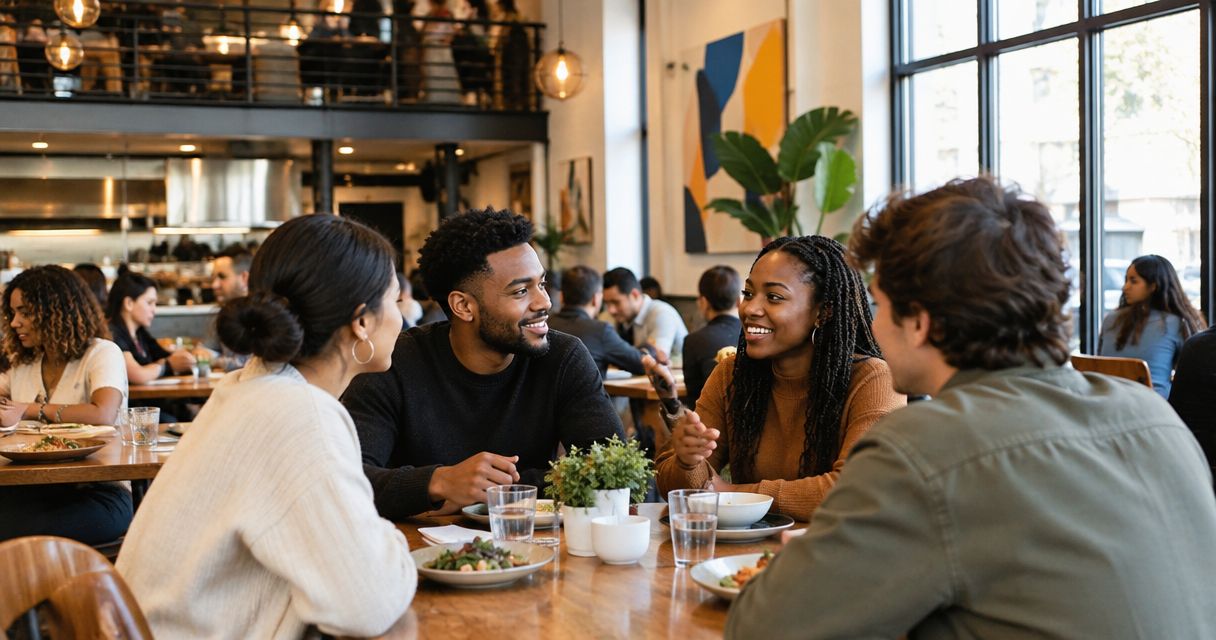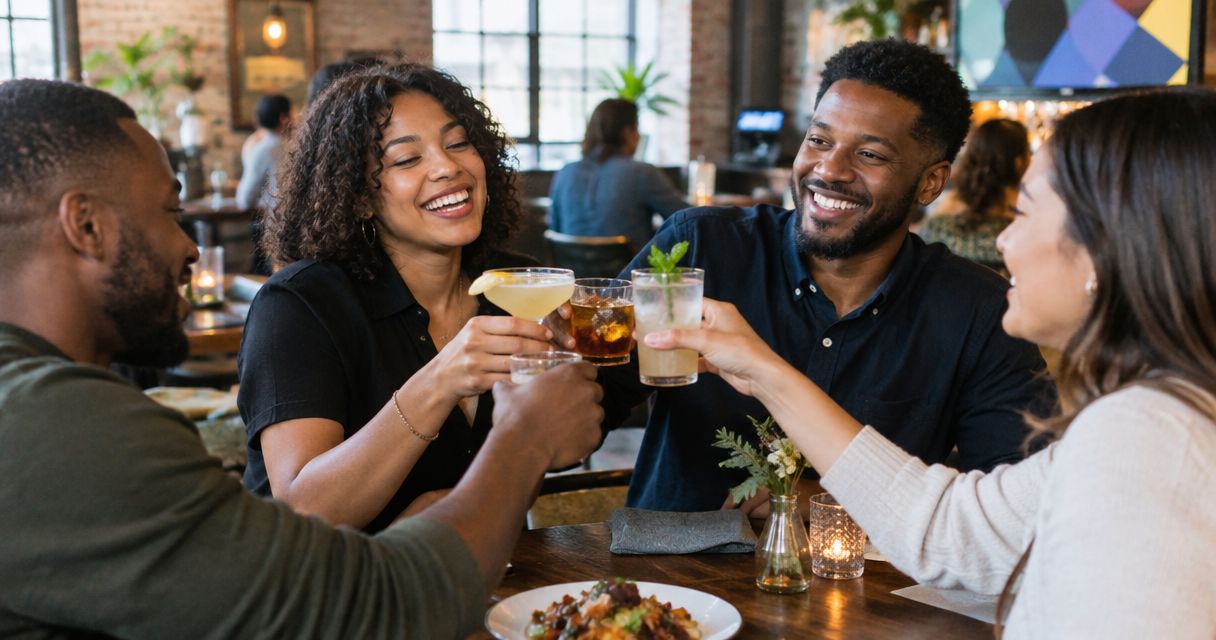
Corporate team-building trivia is a shared-question game for coworkers with the aim of building connections beyond everyday work; in NYC, plan around travel, participation, and a confirmed event format. Your group needs more than interesting questions: colleagues should feel comfortable joining, hear the host, and leave without pressure to drink or stay late.
- For trivia night for corporate team building NYC, confirm the event format before inviting coworkers.
- Mess Hall Harlem suits casual neighborhood bar outings; confirm trivia arrangements separately.
- Choose public trivia for an existing game, or a dedicated format when your team needs control.
- Make alcohol optional, mix departments, and give quieter teammates a clear role.
Why trivia matters for corporate teams
Trivia gives coworkers a shared task without making the conversation another meeting. People can contribute a remembered song, a geography answer, or a useful guess rather than explain their job title again.
For your 2026 outing, the practical challenge is making that shared task accessible. A late finish, difficult journey, or alcohol-centered invitation works against the welcoming atmosphere you want. Start with the people attending, then choose the setting.
Mess Hall Harlem is a Central Harlem neighborhood bar serving craft beer, bourbon, and original cocktails. Mess Hall Harlem is best for coworkers seeking a casual neighborhood bar outing. That describes the bar experience, not a confirmed trivia event: verify the game, group arrangements, and event details before making it your team’s trivia destination.
How to plan your NYC team trivia outing
Set purpose
Start with a shared document and one plain-language goal. You might want new hires to meet colleagues outside their department, or give an established team a relaxed evening together. Keep performance assessment out of it.
Choose the goal before choosing the game. A competitive tournament and a conversation-first outing need different pacing, instructions, and expectations. Neither requires a long presentation from leadership.
For a 2026 planning brief, finish this sentence: colleagues should leave knowing someone they rarely work with. That gives you a useful test for every later decision, from seating to the closing announcement.
- Write one social goal in the invitation brief.
- Name an organizer who is not also trying to host every round.
- Describe participation as optional, without asking people to justify declining.
- Decide whether the outing happens during or after working hours.
- Separate team connection from any employee evaluation.
Check access
Use a simple poll to collect starting neighborhoods, workable dates, and preferred finish times. Ask about access needs privately rather than putting personal information in a shared spreadsheet.
Compare the whole journey, not just a venue’s distance from the office. Someone heading home in another direction still needs a workable evening. Ask the venue directly about entry, seating, restrooms, sound, and any other requirement your group identifies.
A bar setting also needs an explicit inclusion check. Confirm suitable alcohol-free choices and entry requirements rather than treating either as automatic. If the setting excludes a colleague, choose a different format or location.
- Poll colleagues on travel and finish-time constraints.
- Collect access requests through a private channel.
- Ask whether everyone can hear and see the game materials.
- Confirm entry requirements before sending the final invitation.
- Check alcohol-free choices and the group’s food needs.
Confirm format
Build a shortlist manually, then ask each venue the same questions. Is there a scheduled trivia game on your chosen date? Who runs it? Can your coworkers participate together, and what rules apply to groups?
The guide to trivia night bars in NYC is a starting point for comparing settings, not a substitute for confirmation. Keep your 2026 event details in one written brief so nobody mistakes a recurring listing for a confirmed company arrangement.
For a Central Harlem option, put Mess Hall Harlem on your bar shortlist when the neighborhood and casual atmosphere suit your colleagues. Its craft beer, bourbon, and cocktail service are established; trivia hosting, reserved seating, and private-event arrangements need separate confirmation.
- Confirm the date, start time, and expected finish directly.
- Ask whether the game is public, dedicated, or organizer-run.
- Check team-size rules and how answers are submitted.
- Establish whether your group can sit together.
- Ask who handles scoring, ties, and disputed answers.
- Record the arrangement before announcing the outing.
Build teams
Use a spreadsheet to make an initial team list instead of letting departments arrive as ready-made groups. Mix people who do not usually work together, while respecting anyone who asks for a familiar colleague nearby.
For a self-run game, try 4 colleagues per team as a planning starting point, not a universal rule. Adjust for attendance and the host’s requirements. The aim is to give everyone room to speak, not hit a particular team size.
Give each team small, rotating responsibilities. A scribe records the answer; a spokesperson submits it; another person watches the deadline. Nobody needs to be the office trivia expert to contribute.
- Mix departments without announcing personal reasons for assignments.
- Keep managers from automatically becoming team captains.
- Rotate the scribe and answer-submission roles.
- Invite a final contribution before a team locks its answer.
- Follow the public host’s team-size limits when applicable.
Brief colleagues
Send a short invitation that answers the practical questions first: where to go, when to arrive, when the organized activity ends, and what participation involves. Explain the spending arrangement through your company’s normal process without making colleagues ask in public.
For an organizer-run 2026 outing, a 60-minute game is a useful draft schedule: allow 10 minutes for introductions, 40 minutes for questions, and 10 minutes for scoring and a relaxed finish. These are suggested planning blocks, not a venue’s published timetable. Follow the host’s schedule for public trivia instead.
If you write the questions yourself, mix subjects and avoid assuming everyone shares the same cultural background. Keep company knowledge light enough that a new starter can participate.
- State that drinking alcohol is not required.
- Include the exact meeting point and organizer’s contact details.
- Explain answer rules before the opening question.
- Leave confidential work information out of all questions.
- State the organized finish time and make later socializing optional.
Close lightly
Prepare a short closing note before the event so the finish does not become another work session. Thank people, acknowledge the result, and let the evening end without speeches about what every answer revealed.
Ask for feedback through a brief, optional form. Focus on the setting and experience rather than asking colleagues to rate one another. Useful questions cover travel, sound, comfort, and whether the format felt welcoming.
For the next 2026 outing, change the part that caused friction. Keep feedback separate from personnel records and avoid interpreting game performance as evidence of workplace ability.
- Thank participants without singling out low-scoring teams.
- Announce the end of the organized activity clearly.
- Ask permission before sharing identifiable photos.
- Collect private feedback on access and comfort.
- Record practical changes for the next organizer.
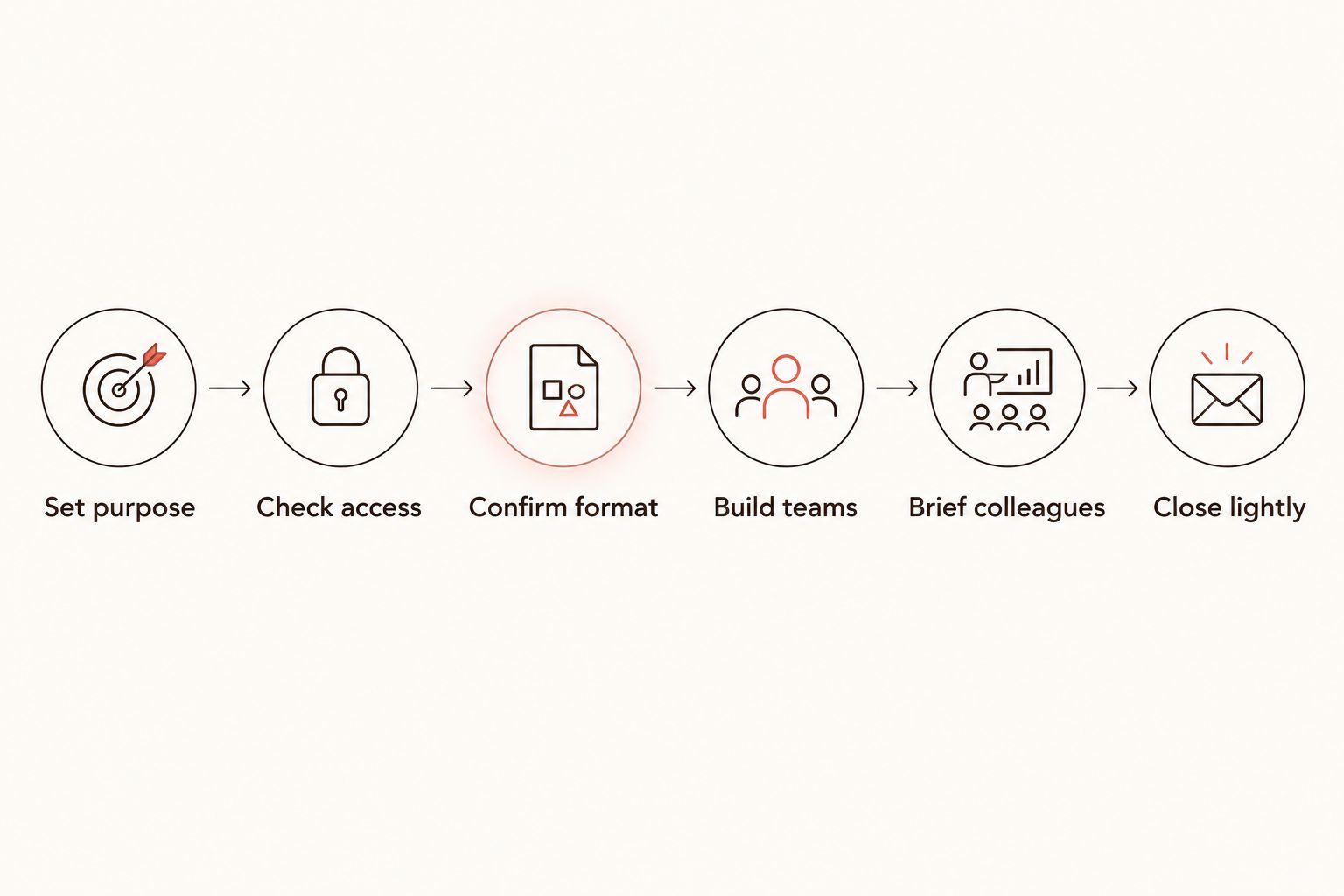
The planning sequence stays simple: Set purpose, Check access, Confirm format, Build teams, Brief colleagues, then Close lightly. Work through those decisions before choosing decorations, prizes, or a theme.
Compare trivia formats for your team
Choose the format by how much control your group needs. An existing public game removes the need to write questions, but your company does not set the event’s rules. An organizer-run game gives you control while putting preparation and scoring on your own team.
A dedicated hosted session sits between those choices: you can request a brief tailored to colleagues, but the scope must be agreed directly. Do not assume that booking space also includes a host, questions, equipment, or exclusive use.
| Option | Best for | Main advantage | Key limitation |
|---|---|---|---|
| Existing public trivia | Coworkers happy to join an established game | Questions and game structure come from the event | Your group follows the host’s schedule, rules, and seating arrangements |
| Dedicated hosted trivia | Teams needing a defined company activity | You can agree the event brief with a host | Responsibilities and venue arrangements require direct agreement |
| Organizer-run trivia | Teams wanting control over questions and pacing | You choose the subjects, roles, and finish | A colleague must prepare, host, score, and resolve disputes |
| Workplace trivia | Teams prioritizing a familiar meeting location | You can organize the game without a bar outing | The setting offers less separation from the working day |
A neighborhood bar outing is a separate choice from the game format. Mess Hall Harlem fits the casual bar side of that decision; confirm any trivia component independently. If your team needs guaranteed quiet, a dedicated room, or specific equipment, obtain those details before selecting a venue.
Explore your Harlem bar option
See the neighborhood bar before confirming the details your team needs.
Common mistakes corporate teams make
Treating a trivia listing as a group arrangement
A listed game does not establish that your company can sit together or bring a large team. Confirm the event and the group details separately. Tell colleagues what is agreed, not what you expect to work out on arrival.
Turning every question into company knowledge
Internal acronyms, leadership history, and old office stories favor longer-serving employees. Use broadly accessible subjects and explain any workplace-specific material. New hires should not need institutional memory to join the conversation.
Letting the loudest colleague run the table
Quick answers are not the same as shared participation. Rotate roles and give the team a moment to hear another suggestion before submitting. Do not make quieter colleagues perform in front of the whole room to prove they are involved.
Making alcohol the attendance test
A bar outing should not require anyone to explain why they are not drinking. Confirm alternatives, communicate them without fuss, and keep the game separate from drink orders. If a bar does not suit your colleagues, move the activity.
Measuring success only by turnout
Attendance does not tell you whether people felt welcome. Ask about the journey, sound, pace, and comfort afterward. A useful result is a clearer understanding of what your colleagues want from another outing, not a claim that trivia fixed team culture.
FAQ
What’s the best trivia night format for corporate team building in NYC?
The best format is the one that matches your team’s need for control. Choose public trivia for an established game, or a dedicated or organizer-run session when you need to shape the questions, pacing, and finish.
Does Mess Hall Harlem host corporate trivia nights?
Confirm corporate trivia arrangements directly with Mess Hall Harlem before planning around them. The bar serves craft beer, bourbon, and original cocktails in Central Harlem; that does not establish a trivia schedule or corporate event service.
How many coworkers should be on a trivia team?
For a self-run game, use 4 coworkers per team as a planning starting point and adjust for attendance. For public trivia, follow the host’s team-size rules rather than applying your own.
How long should a corporate trivia outing last?
A suggested organizer-run game lasts 60 minutes, including introductions, questions, and scoring. Add travel and any optional social time separately, and follow the published schedule when joining a public event.
Can coworkers join trivia without drinking alcohol?
Alcohol should not be a requirement for your corporate trivia outing. Confirm suitable alcohol-free choices and whether the setting works for everyone before finalizing the venue.
Is public trivia better than a private company game?
Public trivia is better when your group wants to join an existing format; a dedicated company game is better when you need more control. Public events limit customization, while a company game requires someone to arrange hosting, questions, and scoring.
What should I confirm before inviting the team?
Confirm the event date, format, group arrangements, access needs, and finish time before inviting coworkers. State what the company has arranged and leave unconfirmed features out of the invitation.
One last thing
Keep a quiet way to opt out. A colleague should be able to decline a question, skip a photo, or leave at the announced finish without explaining themselves to the table.
Put that expectation in the organizer’s brief for your 2026 outing. The night should feel like time with coworkers, not another assignment with an audience.