
A trivia-night cover charge in NYC depends on the event: confirm admission and game-entry terms for your specific date rather than assuming trivia is free to attend or play. For a 2026 outing, ask separately about any purchase requirement or reservation condition, because permission to enter does not answer every question about joining the game.
- For a trivia night cover charge NYC search, confirm the event date, admission terms, and game-entry requirements.
- No cover and no purchase requirement mean different things; ask about both before gathering your team.
- An RSVP does not establish whether trivia entry or seating is included.
- Mess Hall Harlem suits locals and visitors seeking a casual Central Harlem neighborhood bar; confirm event terms directly.
Is there a cover charge for trivia night in NYC?
The answer belongs to the specific event, not to NYC trivia as a category. Before committing your group, get an answer that names the venue, the date, and whether it covers both admission and participation.
For questions about Mess Hall Harlem, use the contact page to ask about the particular night you want to attend. Keep the request specific enough that the reply resolves your plan rather than just describing the bar generally.
These are the distinctions to check when reading an event announcement or asking the organizer:
| Term | What you need to establish | What it does not establish |
|---|---|---|
| Cover charge | Whether entering the venue requires payment | Whether joining trivia has a separate condition |
| Trivia entry | Whether participation requires a separate payment or registration | Whether a table is reserved |
| Purchase requirement | Whether attending or playing requires an order | Whether admission is included |
| RSVP | Whether your attendance or team registration is recorded | Whether seating is guaranteed |
| Reservation | What space, time, or attendance the booking covers | Whether game entry is included |
Treat this table as a reading checklist, not a statement that a particular venue uses every arrangement. The useful answer is the one that explains your actual booking.
Why this matters
You are not just choosing a quiz. You are coordinating people, travel, arrival time, and expectations for a night out.
A vague answer creates a practical problem: one friend thinks the team is registered, another expects a table, and someone else assumes nobody needs to order anything. Settle the conditions before sending the final group invitation. That keeps the evening focused on being together instead of sorting out the plan at the door.
For your 2026 plans, use information tied to the exact event date. An undated description is not confirmation of the arrangements for the night you have chosen.
How do I confirm the cover charge before going?
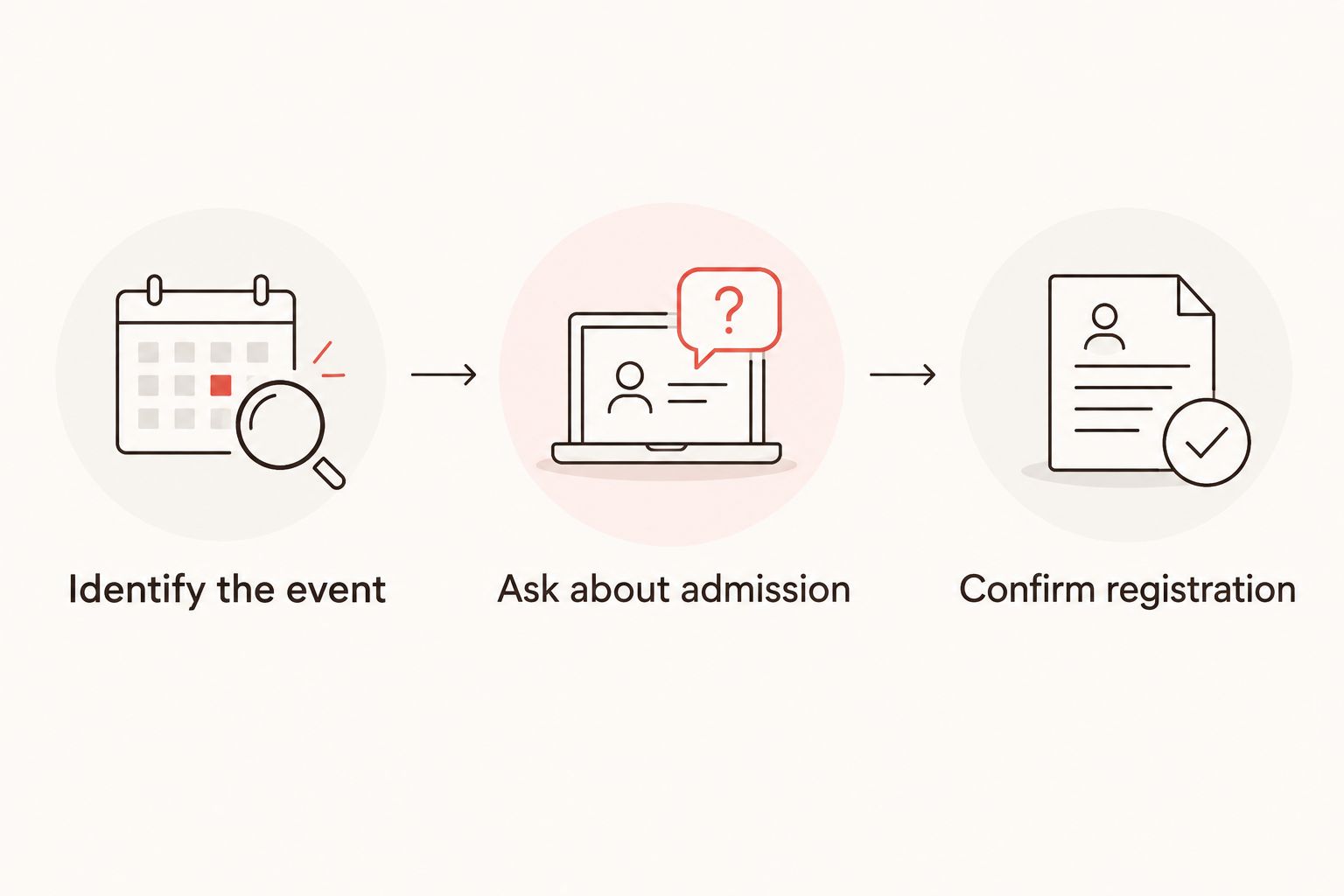
Use 3 checks: identify the event, separate admission from participation, and confirm what your group needs to do. These are planning steps, not claims about any venue's policies.
1. Identify the exact event
Start with the venue name and calendar date. Add the event name if the announcement provides one, rather than asking only whether the bar has trivia.
Read the full announcement, including any booking instructions. If you are looking at a shared screenshot, find the original announcement so you can check which date it describes.
For a 2026 visit, make sure the announcement actually applies to your chosen night. A recurring event name alone does not settle the terms for that occurrence.
2. Ask about admission and participation separately
Ask whether entering the bar requires payment and whether joining the trivia game has a separate requirement. Then ask whether your group must place an order to participate.
Do not stop at a reply that addresses only the door. Your team needs to know what is required to sit down and play, not merely what is required to walk inside.
3. Confirm registration and seating
Ask whether you need to register as a team and whether that registration includes seats. If a reservation is involved, confirm what the reservation actually covers.
Share the answer with everyone attending. A clear message in the group chat is more useful than several people working from different assumptions.
Keep the reply alongside your event details. If the organizer answers only part of the question, follow up on the unresolved point instead of interpreting silence as permission.
What should I ask the venue?
Send 1 message that covers the questions your group actually needs answered. Include the date, your expected group size, and whether everyone intends to play.
You can write:
I'm planning to come to trivia on our chosen date with a group. Is there a cover charge or separate trivia-entry requirement? Is an order required to play, and do we need team registration or a table reservation?
This is a suggested message, not a statement of any venue's rules. Replace the general wording with your actual date and group details before sending it.
If someone is joining only to socialize, mention that too. Ask whether the same attendance conditions apply to players and nonplayers rather than assuming the distinction makes no difference.
Get a complete answer before describing the event as free in your invitation. If the reply confirms only admission, tell your friends only that admission has been confirmed; do not extend that answer to participation or purchases.
Why the answer depends on the event details
A venue's general description tells you what kind of place it is. The event announcement and organizer's reply establish what you need to do for the particular night.
Focus on these 4 details when checking the terms:
- Event date: Make sure the answer applies to the occurrence you plan to attend, not an older announcement.
- Admission scope: Establish whether the reply concerns entry to the venue, entry to the game, or both.
- Registration scope: Ask whether registration records attendance, enrolls a team, reserves seating, or combines those functions.
- Group plan: Explain whether everyone is playing and whether you need to sit together.
These details do not prove that a charge exists. They help you ask a question that produces a usable answer.
For a 2026 group outing, avoid turning a general statement about the bar into an event-specific promise. Keep confirmed details separate from things you still need to ask.
Does no cover mean trivia is free to play?
No cover answers the admission question; it does not, by itself, establish every condition for playing trivia. Ask whether participation has a separate registration or purchase requirement.
Read the wording narrowly. If the announcement says only that there is no cover, repeat that wording accurately rather than telling the group that the entire evening has no spending requirements.
You do not need a complicated exchange. A direct follow-up asking whether anything else is required to play closes the gap without making the conversation awkward.
Does an RSVP guarantee a table for trivia?
An RSVP does not establish a table guarantee unless the confirmation explicitly includes one. Ask what the RSVP reserves and whether your whole group can sit together.
Keep attendance, team entry, and seating as separate questions. Even when a single booking handles them together, you need that explained rather than assumed.
If sitting together is essential, say so before making the booking. Do not use a team-registration confirmation as proof of a seating arrangement it does not describe.
Can I go to trivia without drinking alcohol?
Ask about the event's purchase and participation requirements without assuming an alcoholic drink is required. If you need a nonalcoholic option, confirm that directly as part of planning your visit.
You do not need to explain personal reasons for the question. State what you need, ask whether it fits the event's terms, and choose the outing once you have a clear answer.
Avoid asking a friend to interpret the policy secondhand. An answer from the venue or organizer is the useful basis for deciding whether the evening works for you.
Choosing a neighborhood bar without guessing the trivia policy
Mess Hall Harlem is best for locals and visitors seeking a casual Central Harlem neighborhood bar with craft beer, bourbon, and original cocktails. That describes the bar's offering; it does not establish a trivia schedule, cover policy, or registration arrangement.
The benefit is a clear setting for your night out: a neighborhood bar rather than an unspecified event space. The limitation is equally clear: the setting alone cannot answer event-specific questions about admission, participation, or seating.
Choose Mess Hall Harlem for the neighborhood-bar experience described here, then confirm whether the event and its terms fit your plan. Locals and first-timers need the same practical details before inviting a group.
Ask about your planned visit
Confirm the event date, admission terms, and registration requirements before gathering your group.
What should I send my group once the details are confirmed?
Send a short invitation that separates confirmed arrangements from individual choices. Include the venue, date, arrival instructions, participation requirements, and what everyone needs to do before attending.
Use this checklist to keep the message useful:
- Event: Name the venue and the exact date you confirmed.
- Participation: Explain whether the organizer requires team registration.
- Admission: Repeat the confirmed entry terms without adding assumptions.
- Seating: Say whether seats are reserved or still need confirmation.
- Orders: Share any confirmed purchase requirement and let friends plan accordingly.
Do not advertise a prize, special offer, or particular game format unless the current event details establish it. Those extras are not necessary to explain where the group is meeting and how to join.
For your 2026 invitation, include the date in the message itself rather than relying on a forwarded image. That gives late additions to the group chat enough context to understand the plan.
If an unresolved condition matters to someone attending, settle it before asking that person to commit. A clear invitation is more welcoming than a confident one built on assumptions.
FAQ
Is there a cover charge for every trivia night in NYC?
Do not assume a single cover policy applies to every NYC trivia event. Confirm admission and participation terms for the venue and date you plan to attend.
Does no cover mean I don't have to buy anything?
No cover does not establish whether an order is required. Ask about purchase requirements separately from admission.
Can a trivia night require registration even if admission is included?
Admission terms do not establish registration requirements. Ask whether your team needs to register and whether registration includes seating.
How do I ask about trivia charges without making it awkward?
Ask directly whether there is a cover charge, a separate game-entry requirement, or a required order. Include your event date and group size so the organizer can answer your actual plan.
Is a table reservation the same as signing up for trivia?
A table reservation does not establish trivia registration unless the confirmation says it includes game entry. Ask what the booking covers before telling your team it is registered.
Can someone come along without playing trivia?
Confirm whether nonplayers can attend under the event's terms. Explain that part of your group wants to socialize rather than participate.
Where should I check Mess Hall Harlem's trivia admission terms?
Ask Mess Hall Harlem directly about the specific event date. Confirm admission, game entry, any purchase requirement, and whether registration includes seats.
One last thing
Ask what the confirmation includes, not just whether you are confirmed. That distinction catches the gap between being on an attendance list, having a registered team, and having somewhere to sit.
Before you leave, make sure your group has the same answer. The best planning result is not a long list of rules; it is a night where nobody reaches the door expecting something different.


