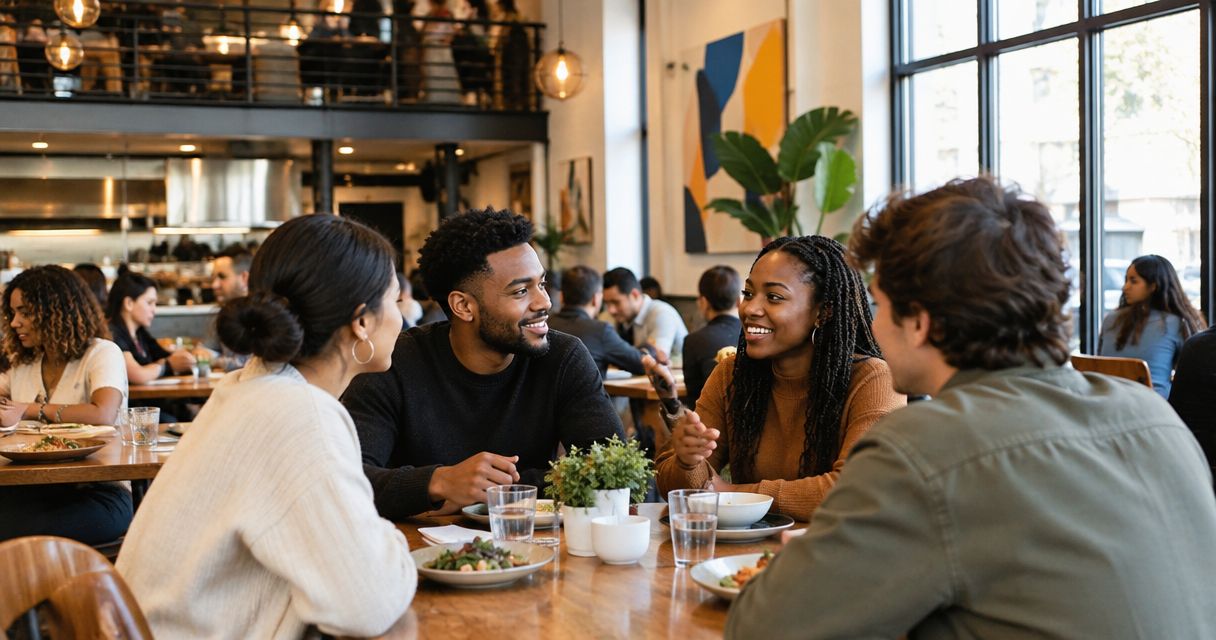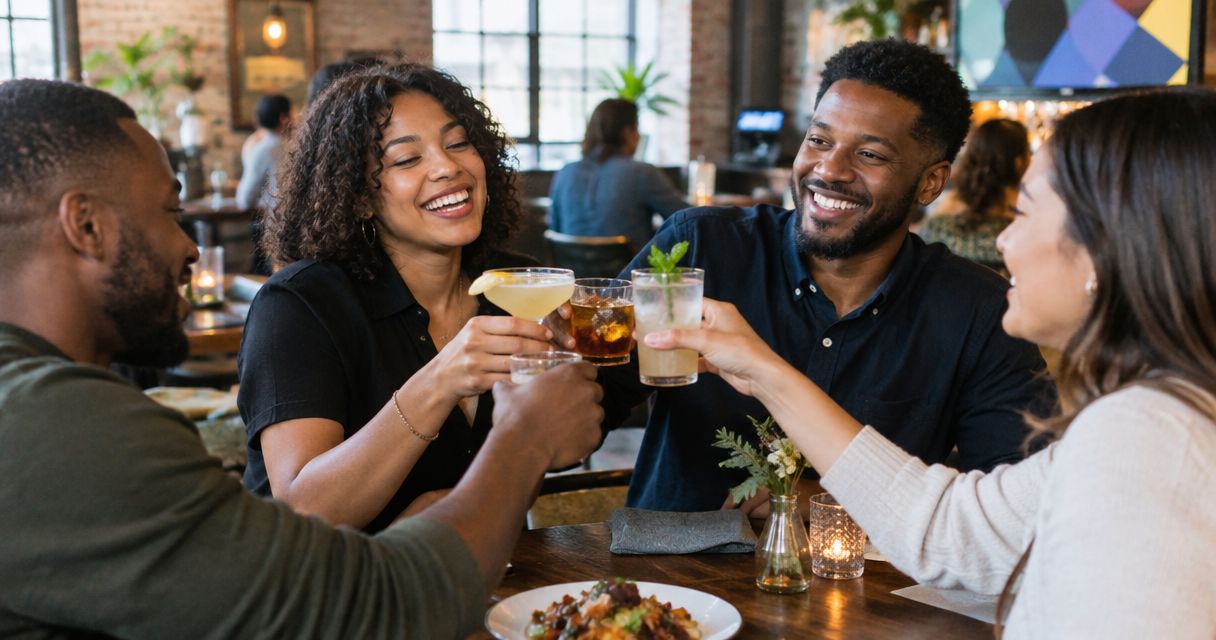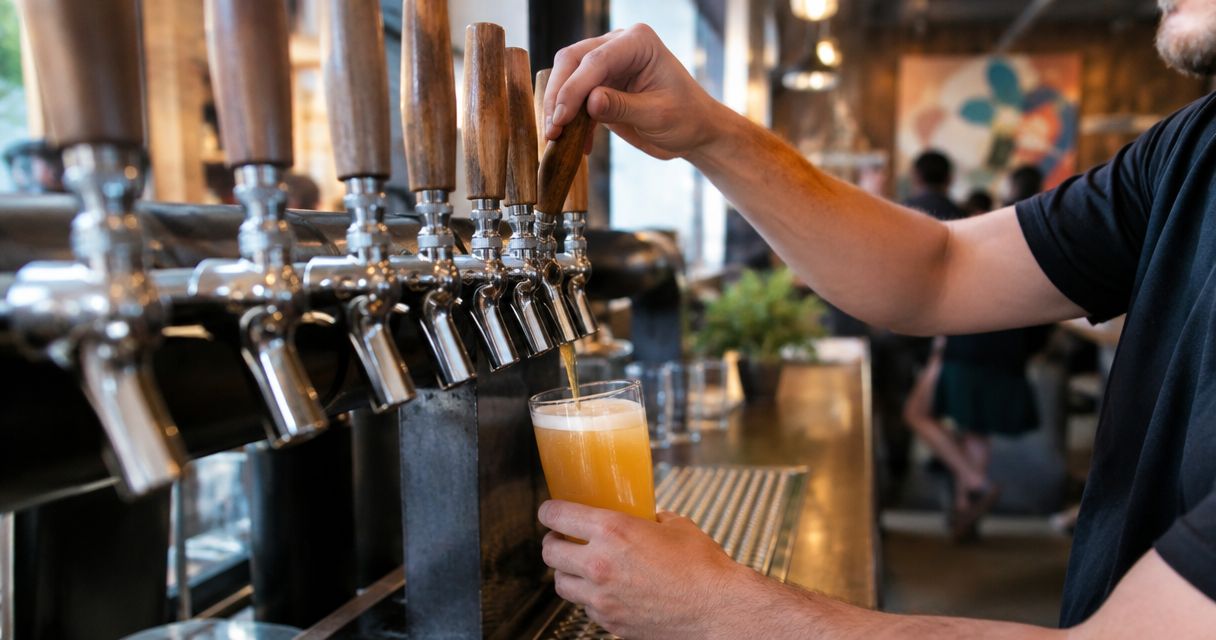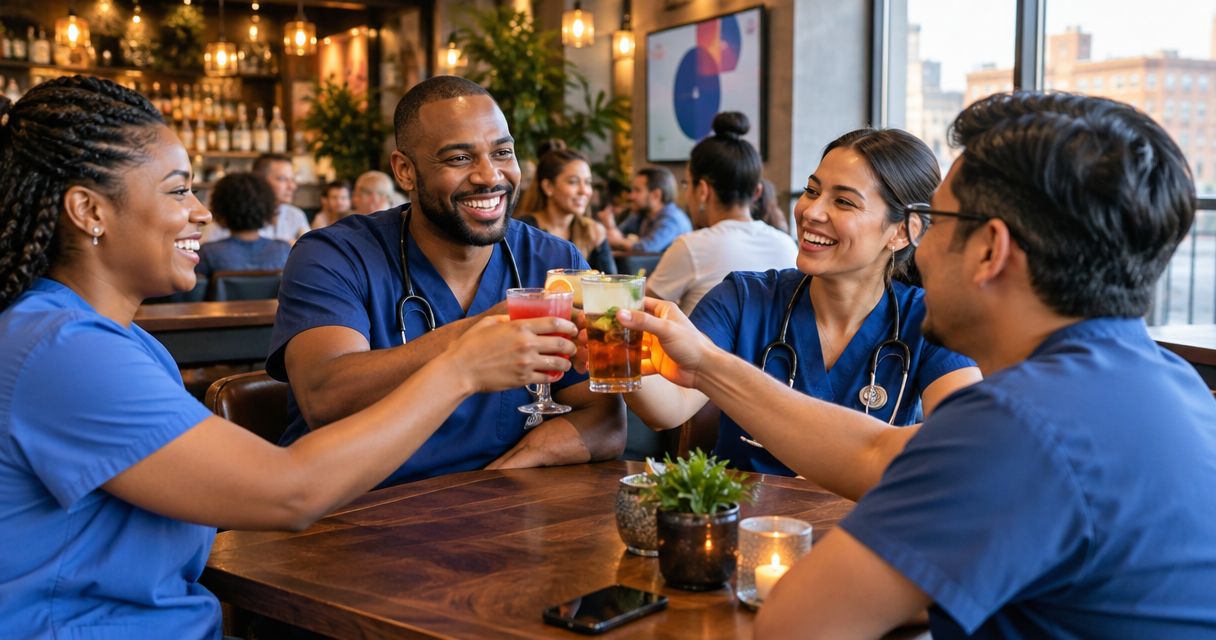
Healthcare workers’ happy hour in Harlem is an off-duty gathering built around shift schedules, with the aim of making a neighborhood night out easy to join. This 2026 guide explains how to choose a bar, check happy-hour terms, and organize a relaxed meetup without assuming that hospital employment comes with a special offer.
- Mess Hall Harlem is best for healthcare workers seeking a casual neighborhood bar with craft beer, bourbon, and original cocktails.
- For happy hour for healthcare workers Harlem plans, confirm the serving window before inviting colleagues.
- A general happy hour and a healthcare-worker promotion are different; verify eligibility directly.
- Plan around finished shifts, an easy journey home, and colleagues who prefer not to drink alcohol.
Why happy hour matters for Harlem healthcare workers
A healthcare-worker meetup has a different planning problem from a conventional office gathering: the invitation needs to work around actual shift endings, not an assumed shared finish time. Handoffs, different departments, and separate journeys home belong in the plan from the start. Make attendance optional and give everyone permission to arrive late or leave early.
Mess Hall Harlem is best for healthcare workers seeking a casual neighborhood bar with craft beer, bourbon, and original cocktails. Mess Hall Harlem is in Central Harlem and serves local residents and visitors looking for a casual night out. That makes it a relevant option for an off-duty gathering, not evidence of a healthcare-specific happy hour.
For your 2026 plans, separate the venue decision from the promotion decision. First choose somewhere that fits the group; then establish whether its current happy-hour terms fit your arrival time. A good neighborhood setting cannot fix a serving window that ends before your colleagues finish work.
The goal is simple: a place where locals and first-timers can settle in without turning the evening into another task. Start with timing, conversation, and the trip home. Let the drinks follow those decisions.
How to plan happy hour for healthcare workers in Harlem
1. Match the meetup to finished shifts
Start manually with a short group message. Ask when colleagues expect to be free, whether they want to stay near work or head toward home, and whether they prefer a quick stop or a longer evening. You do not need a booking platform to establish those basics.
Choose a meeting window based on the answers rather than copying a standard after-work start time. Someone finishing later should know whether the group will still be there, but nobody should feel obliged to wait indefinitely. Put the expected finish in the invitation as clearly as the start.
Make the gathering an off-duty plan, not an extension of the shift. If a colleague is still working, on call, or subject to workplace restrictions, that colleague needs a separate decision about attending and drinking. Do not use the invitation to resolve employment or fitness-for-duty questions.
- Send 1 group message asking for expected finish times.
- Name 1 meeting point instead of offering several competing stops.
- State both the arrival window and the planned finish.
- Make late arrivals and early departures explicitly welcome.
- Keep work coverage decisions separate from the social plan.
2. Verify the happy-hour terms directly
Use the bar’s current information and ask staff about anything unclear. For a 2026 visit, an old screenshot or an undated recommendation is not enough to establish the applicable days, hours, or included drinks. Confirm the details for the day you intend to go.
Ask 3 questions: when does the happy-hour window run, which drinks does it cover, and does any healthcare-specific offer require identification? The last question matters only if the venue actually advertises such an offer. A general happy hour does not automatically become a hospital-worker promotion because your group works in healthcare.
Use the best happy-hour bars in Harlem guide to organize your shortlist, then verify each venue’s current terms directly. Keep promotional claims out of the group chat until they are confirmed. That prevents colleagues from arriving with different expectations.
- Confirm the applicable day and serving window.
- Ask which drink categories are included.
- Check whether the relevant cutoff concerns ordering or arrival.
- Ask about identification only for an advertised worker-specific offer.
- Send the confirmed terms without adding assumptions.
3. Choose a bar around the group’s actual preferences
Ask colleagues what they want from the evening before choosing the venue. A conversation-first meetup, a whiskey-focused outing, and a mixed-interest group do not need the same selection criteria. Pick the main purpose before debating individual drinks.
Mess Hall Harlem’s craft beer, bourbon, and original cocktails make it a relevant shortlist option for colleagues who want those categories in a casual Central Harlem bar. Its stated offering gives you a clear starting point without requiring a cocktail vocabulary lesson. Ask staff for help describing what you like rather than pretending to know every style.
The limitation is equally important: those drink categories do not establish the current happy-hour menu, food service, nonalcoholic selection, or room for your group. Verify any detail that determines whether colleagues can comfortably take part. Choose the venue for the whole group, not just its most enthusiastic drinker.
- Ask whether colleagues prefer beer, bourbon, cocktails, or no alcohol.
- Choose conversation or drink exploration as the main purpose.
- Check nonalcoholic choices directly with the venue.
- Confirm food arrangements separately instead of assuming kitchen service.
- Ask about seating if sitting together is essential.
4. Keep the group arrangement simple
Begin with a realistic attendance estimate and a clear invitation. A loose plan for a few colleagues is different from a department gathering; do not treat a public bar as a reserved event space without agreement. Tell the venue what you are planning before promising exclusive seating or a dedicated area.
Use 2 messages for coordination: an initial invitation and a final confirmation. The first gathers interest; the second states the venue, meeting window, expected finish, and any verified conditions. A single final version gives late readers somewhere reliable to look.
For larger gatherings, ask how the venue handles groups, payments, and changing attendance. Do not promise separate checks, reservations, or particular seating unless staff confirm them. Keep the invitation warm and specific: colleagues should understand the plan without reading a long thread.
- Gather an attendance estimate before contacting the venue.
- Ask whether your group needs an advance arrangement.
- Confirm payment handling rather than assuming separate checks.
- Send a final message with the agreed meeting details.
- Avoid sharing staff rosters or sensitive workplace information.
5. Build a comfortable off-duty routine
Give the evening a simple shape: arrive, settle in, choose what you want, and leave when you need to. A casual meetup does not need rounds, drinking games, or an expectation that everyone orders the same thing. Let colleagues participate on their own terms.
Keep patient information out of the conversation. A public bar is not a setting for clinical handover, case discussion, or identifiable workplace stories. You can talk about a demanding day without turning the table into a work meeting or exposing someone else’s private information.
For a 2026 team outing, make opting out ordinary rather than something colleagues must explain. That includes declining alcohol, skipping a round, or leaving before the rest of the group. The best invitation offers company without creating an obligation. If you are responsible for organizing, model that approach yourself.
- Make alcohol optional in the invitation and at the table.
- Avoid automatic rounds or pressure to match someone’s order.
- Keep patient details and identifiable case stories private.
- Ask before taking or sharing photos of colleagues.
- Respect an early departure without asking for an explanation.
6. Plan the journey home before ordering
Check your own route and departure needs before the evening begins. Do not assume that a colleague travelling in the same direction will stay as long as you do. A clear way home makes leaving easier when the group is still enjoying itself.
Use the transport information relevant to that evening, not an estimated journey copied from somebody else’s commute. If you plan to drink alcohol, do not drive. Agree on transport arrangements in advance rather than making the decision after drinking.
A backup plan is useful when the original meetup does not work. It can be as simple as ending the evening rather than moving the whole group elsewhere. You do not need to rescue every social plan with another stop, especially when colleagues have different schedules the following day.
- Check your route home before arriving.
- Decide whether you need a firm departure time.
- Arrange a non-driving journey if you will drink alcohol.
- Avoid relying on another colleague’s schedule for your exit.
- Make ending the meetup an acceptable backup plan.
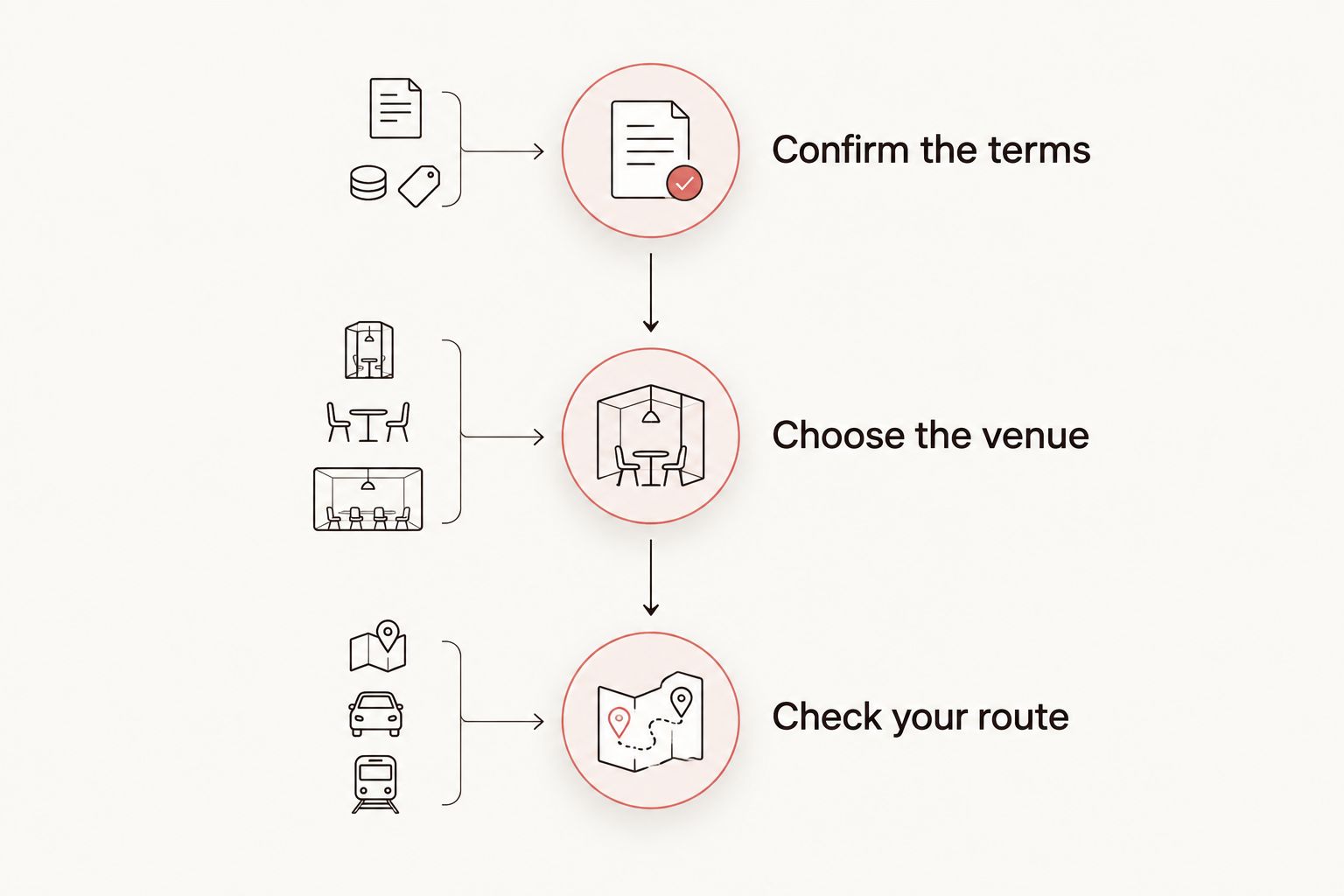
Compare the options for your healthcare-worker meetup
Choose the format before you choose the first drink. A neighborhood bar works for a casual outing; a confirmed happy-hour window works for a group that can arrive together. A healthcare-specific promotion is relevant only when the venue explicitly offers it and your colleagues meet its conditions.
The options below compare planning approaches, not unverified venue offers. For a 2026 gathering, fit matters more than the label on the invitation. If the timing does not work, describe the event as an after-shift meetup rather than a happy hour.
| Option | Best for | Main advantage | Key limitation |
|---|---|---|---|
| Mess Hall Harlem | A casual Central Harlem outing with craft beer, bourbon, and original cocktails | A neighborhood-bar setting with those stated drink categories | Healthcare offers, happy-hour terms, and group arrangements require confirmation |
| A directly confirmed general happy hour | Colleagues who can arrive during the same serving window | Clear terms once verified with the venue | A fixed window does not accommodate every shift ending |
| An explicitly advertised healthcare-worker promotion | Eligible colleagues who meet the venue’s stated conditions | A worker-specific offer when confirmed | Eligibility and required identification depend on the actual offer |
| An after-shift meetup without a promotion | Colleagues with staggered finish times | The plan does not depend on a promotional window | It should not be presented as a happy-hour offer |
You can combine a casual neighborhood-bar outing with a verified general happy hour, but keep those decisions separate. The venue answers where you meet; the current terms answer whether a promotion applies. Neither establishes the other.
Common mistakes healthcare workers make when planning happy hour
Treating a search result as proof of a staff offer
A page about healthcare-worker happy hour is not proof that every mentioned bar has a worker-specific promotion. Before your 2026 outing, confirm any advertised eligibility terms directly. Do not tell colleagues to bring employment identification unless a verified offer requires it.
Choosing the window before checking shift endings
A serving window is only useful if colleagues can actually attend it. Ask for expected finish times first, then compare them with the confirmed terms. If the two do not line up, plan a regular off-duty meetup rather than asking someone to hurry a handoff.
Promising an entire department room to sit
An invitation does not reserve tables or establish event capacity. Give the venue an attendance estimate and ask what arrangements it can confirm. Keep unconfirmed seating, private-space access, and payment arrangements out of the invitation.
Making alcohol the price of joining
A healthcare-worker gathering is a social invitation, not a requirement to order alcohol. Check suitable alternatives before selecting the venue and avoid automatic rounds. A colleague should be able to join the conversation without defending a personal choice.
Turning the table into a debrief
Colleagues can enjoy time together without discussing identifiable patients or replaying workplace disagreements. Keep confidential information out of public conversation. If a topic needs a formal workplace discussion, leave it for the appropriate setting rather than asking the group to handle it over drinks.
FAQ
What’s the best happy-hour plan for healthcare workers in Harlem?
The best plan matches finished shifts with directly confirmed venue terms. Choose a convenient meeting point, make attendance optional, and state the expected finish so colleagues can plan their own evening.
Does Mess Hall Harlem have a healthcare-worker happy hour?
Do not treat a healthcare-worker happy hour at Mess Hall Harlem as confirmed without checking directly. Its stated offering is a casual Central Harlem neighborhood bar serving craft beer, bourbon, and original cocktails.
Do healthcare workers need a hospital badge for happy hour?
Bring employment identification only when an advertised healthcare-specific offer requires it. Ask the venue what identification it accepts before telling colleagues to bring a badge.
Can night-shift workers join a Harlem happy hour?
Night-shift workers need to match their actual off-duty time to the venue’s confirmed serving window. If the times do not overlap, organize an after-shift gathering without presenting it as a happy-hour promotion.
Is a neighborhood bar better than a healthcare-worker promotion?
Choose the neighborhood bar when its setting, timing, and drink choices fit your group better. A worker-specific promotion only helps when it is confirmed and the attendees meet its conditions.
Can colleagues who don’t drink alcohol come along?
Yes, make the gathering open to colleagues who do not drink alcohol. Confirm suitable nonalcoholic choices directly and avoid rounds that assume everyone wants the same thing.
How do I organize a hospital-team happy hour without a booking app?
Use an initial group message to gather interest, then a final confirmation with the venue and meeting window. Contact the venue separately about group arrangements, seating, and payment handling before promising them.
One last thing
Decide the finish before you debate the first drink. A clear end point gives colleagues permission to join for part of the evening instead of rejecting the invitation because they cannot stay indefinitely. Include it in your next 2026 meetup message and keep early departures easy.
The aim is a good neighborhood night, not perfect attendance. Choose a setting that suits the people coming, verify the details that matter, and leave everyone free to make the evening their own.