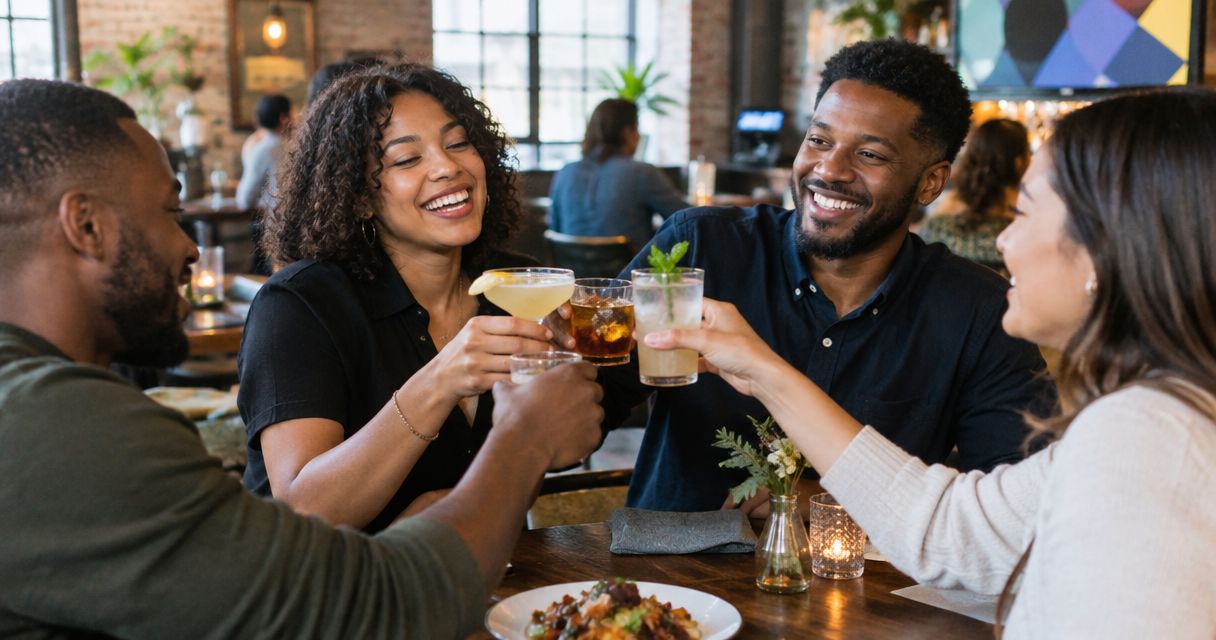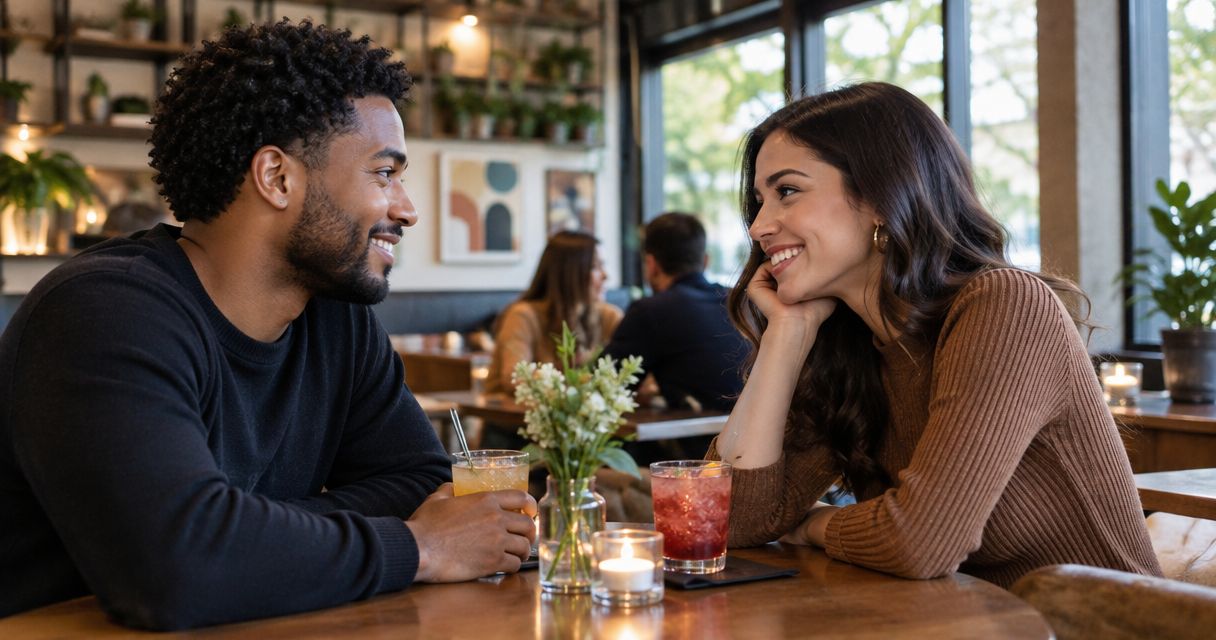
Yes—Mess Hall Harlem is best for a casual first date built around craft beer, bourbon, or original cocktails. Its neighborhood-bar setting suits an easygoing introduction rather than a formal occasion; choose it because you both want a bar date, not because you expect guaranteed quiet or a particular seat.
- Is Mess Hall Harlem good for a date? Yes, for a casual neighborhood-bar meeting over drinks.
- Craft beer, bourbon, and original cocktails give you different starting points without making the evening a tasting exercise.
- A back patio is part of the setting, but do not build your invitation around an unconfirmed seat.
- Agree on the kind of evening first, then check current details before heading out.
Is Mess Hall Harlem good for a first date?
Yes, if your idea of a first date is meeting somewhere casual and seeing how the conversation goes. Mess Hall Harlem is a neighborhood bar in Central Harlem serving craft beer, bourbon, and original cocktails. The supplied venue description also identifies a cozy, narrow space with a back patio.
Those details give you a reason to choose it, but not a promise about the conditions on a particular evening. The strongest reason to go is the neighborhood-bar format, not an assumption about noise, seating, or privacy. For a 2026 first-date plan, separate what the venue offers from what you need to confirm.
| Date format | Best for | Main advantage | Main limitation |
|---|---|---|---|
| Casual neighborhood-bar date | People who both enjoy meeting over drinks | A straightforward invitation without a formal occasion | Does not establish quiet, privacy, or a particular seat |
| Dinner-centered date | People who want a meal to anchor the evening | A clear shared activity beyond drinks | Requires a separate choice with confirmed food arrangements |
| Alcohol-free activity date | People who do not want drinking to shape the meeting | Keeps the plan aligned with that preference | Requires a different plan if a bar is not appealing |
The table is about matching the invitation to the people, not ranking one kind of date above another. A bar is the right choice when you both want to be there. It is the wrong starting point when one person is already negotiating around the premise.
Why this matters
A first-date venue should match the invitation you actually make. Asking someone to meet for a drink sets a different expectation from proposing dinner, a quiet conversation, or an evening of entertainment.
You do not need to turn a first meeting into a production. You do need to be clear about what you are suggesting. If your 2026 dating plans have started to feel overcomplicated, keep this decision practical: choose the setting you both want, confirm the essentials, and leave the rest of the evening open.
The neighborhood setting is relevant for locals and first-timers alike. You do not have to present yourself as someone who knows every Harlem bar, and your date does not need a whiskey vocabulary to accept an invitation for drinks.
What makes the setting a good fit?
A casual invitation matches the bar
Mess Hall Harlem is a neighborhood bar for a casual night out, so a straightforward drinks invitation fits its stated purpose. That is a better match than presenting the evening as a formal cocktail experience or an elaborate romantic occasion.
Keep the wording equally relaxed. Tell your date where you want to meet and that you are suggesting drinks. Avoid selling the venue as a hidden discovery, an exclusive experience, or the quietest place in the neighborhood—none of those claims is necessary to make the invitation appealing.
Different drink preferences have a place
Craft beer, bourbon, and original cocktails are all part of the stated offering. If one person is interested in beer and the other prefers cocktails, those categories give you a reason to consider the same bar.
That does not establish a particular tap list, bottle, recipe, or alcohol-free selection. Choose the venue around the broad fit; confirm any drink that is essential to your plan. You should not have to improvise around an assumption once your date arrives.
The patio is a detail, not the whole plan
The venue description includes a back patio. That is relevant if outdoor space appeals to you, but the description does not establish access, seating arrangements, or conditions for your chosen evening.
Build the invitation around meeting at the bar. If sitting outside is essential rather than a bonus, confirm the arrangements before making that promise. A date plan should still make sense without the exact seat you pictured.
How should you plan the first date?
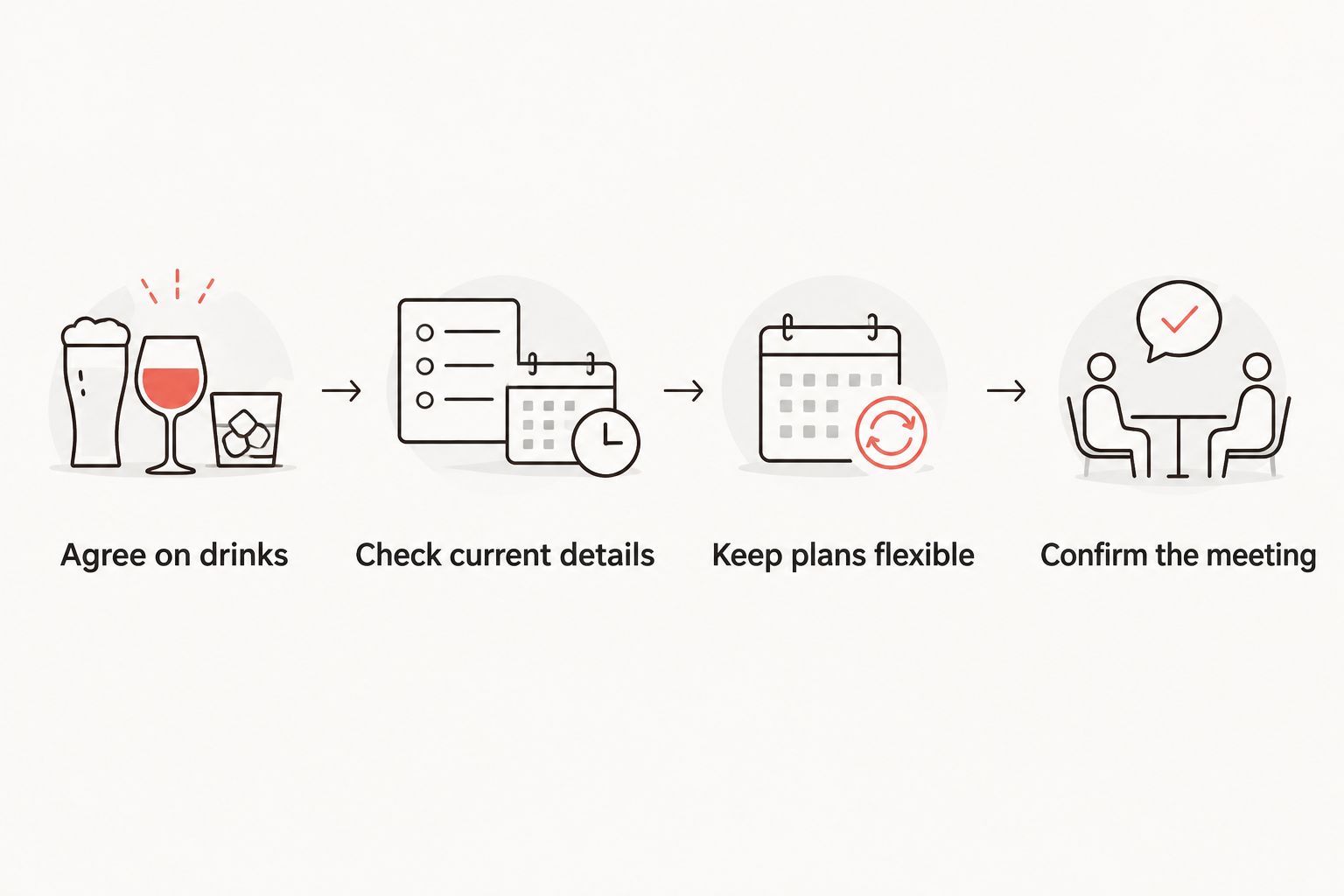
Use these 4 steps to make the invitation clear without scripting the evening. The aim is agreement, not a detailed itinerary.
- Agree on drinks. Ask whether meeting at a bar sounds good before choosing the venue. Give your date room to suggest something else without having to explain or defend a preference.
- Check current details. For a 2026 visit, confirm the opening details and any arrangements that matter to you. Ask directly about an essential seating or access requirement rather than relying on an old description.
- Keep plans flexible. Make the initial meeting the whole commitment. Do not attach dinner, another stop, or a longer evening unless you both want that in advance.
- Confirm the meeting. Share the venue name and agreed meeting time clearly. Avoid relying on a vague reference to a bar nearby, especially if one of you is unfamiliar with Central Harlem.
Once those decisions are settled, stop planning the conversation. You have agreed on a place and a reason to meet; you do not need an agenda for getting to know someone.
If you are still choosing the type of evening, the guide to date-night bars in Harlem gives you another starting point. Compare the kind of meeting you want rather than collecting venues with no decision rule.
Why the date experience varies
The same venue description does not answer every person's needs. These 5 factors explain the fit without making promises about a particular night:
- Your shared preference. A bar date works as a plan when both people want drinks. If either person prefers an activity or an alcohol-free setting, choose around that preference instead.
- The drink you expect. Craft beer, bourbon, and original cocktails are confirmed categories. A specific order still needs checking if it determines whether you want to go.
- Your space requirements. The described interior is narrow. If room to move, step-free access, or a particular seating arrangement matters, ask about that requirement directly.
- Your interest in the patio. A back patio is described, but your plan should not depend on unconfirmed use of it. Decide whether outdoor seating is essential before sending the invitation.
- The occasion you have in mind. A casual neighborhood bar matches a casual introduction. Do not assume it also supplies the dinner, privacy, or formal atmosphere you have not confirmed.
Use these factors to identify deal-breakers, not to manufacture doubts. If the essential match is there, make the invitation. If an essential condition remains uncertain, resolve that question first.
When should you choose a different kind of date?
Choose a different plan when the bar itself would become an obstacle. If your date does not want to drink or does not enjoy bars, changing the invitation is more considerate than explaining why this particular bar should be an exception.
The same applies when you need a meal to be central to the evening. The stated offering here is bar service; do not turn that into a dinner promise. Select a dinner venue separately and confirm its arrangements if that is the experience you want.
Guaranteed quiet is another distinct requirement. A cozy description is not a noise measurement, and a neighborhood identity is not a privacy policy. If the conversation requires a reliably quiet setting, confirm conditions directly or choose a plan designed around that need.
For 2026 planning, keep current operational questions separate from personal preference. You can decide today that a casual bar sounds right while still checking the practical details closer to your visit.
What should you say when inviting someone?
Make the invitation about meeting, not about proving how well you know the neighborhood. Name the place, say that you are suggesting drinks, and offer a clear time. That gives your date enough information to respond without decoding the occasion.
Mention a drink category only if it is relevant to something you already know about them. If they enjoy bourbon, that is a genuine connection to the bar's offering. If you do not know their preference, ask instead of assigning them one.
Avoid promising a patio seat, a silent corner, or an exact drink unless you have confirmed it. A simple invitation is still thoughtful when its details are accurate. It does not need extra claims to sound like a good evening.
Is it a good choice if you are not a whiskey expert?
Yes—whiskey expertise is not a requirement for a casual date. The stated drinks offering also includes craft beer and original cocktails, so the invitation does not need to revolve around bourbon.
Order according to what you enjoy and ask about unfamiliar choices. Your date is not a tasting exam, and you do not need to demonstrate expertise to justify being there.
Should you promise a patio date?
No—treat the back patio as a detail to confirm, not a guaranteed part of your invitation. The venue description establishes that it exists, not the arrangements for your visit.
If sitting outside is the deciding factor, ask before settling the plan. Otherwise, invite your date to the bar and keep your expectations independent of one particular space.
Is a drinks date better than a dinner date?
Neither is automatically better; choose the format both people actually want. Drinks make sense when the invitation is to meet at a bar, while dinner makes sense when sharing a meal is the point.
Do not add a meal just to make a first date seem more substantial. Equally, do not suggest drinks as a substitute when your date has clearly asked for dinner.
FAQ
Is Mess Hall Harlem good for a date in 2026?
Yes—Mess Hall Harlem is a good fit for a casual date over craft beer, bourbon, or original cocktails. Confirm current visit details and any essential seating needs before you go.
Is it a good first-date spot if we prefer something casual?
Yes, the neighborhood-bar format fits a casual drinks invitation. Choose it because you both want that setting rather than expecting a formal occasion.
Can we have cocktails instead of whiskey?
Yes, original cocktails are part of the stated offering alongside craft beer and bourbon. Confirm a particular drink directly if it is essential to your visit.
Does the bar have a back patio?
Yes, the supplied venue description includes a back patio. Confirm the arrangements for your visit before promising an outdoor date.
Will it be quiet enough for a serious conversation?
Quiet conditions are not established by the venue description. Ask about the evening you are considering if low noise is essential to your plan.
Should we plan dinner there as part of the date?
Do not plan dinner on the basis of the stated bar offering alone. If a meal is central to the date, confirm food arrangements separately or choose a dinner-centered plan.
What if my date does not want to drink?
Choose a plan that fits your date's preference rather than treating alcohol as the default. Confirm alcohol-free choices directly if you both still want to meet at the bar.
One last thing
Before you send the invitation, ask yourself one question: would this still sound like a good date without the seat or drink you have imagined? If the answer is yes, you are choosing the setting for the right reason.
Keep the promise small and accurate: a casual meeting, a clear place, and time together. For a 2026 first date, that is a stronger plan than an elaborate evening built on details you have not checked.