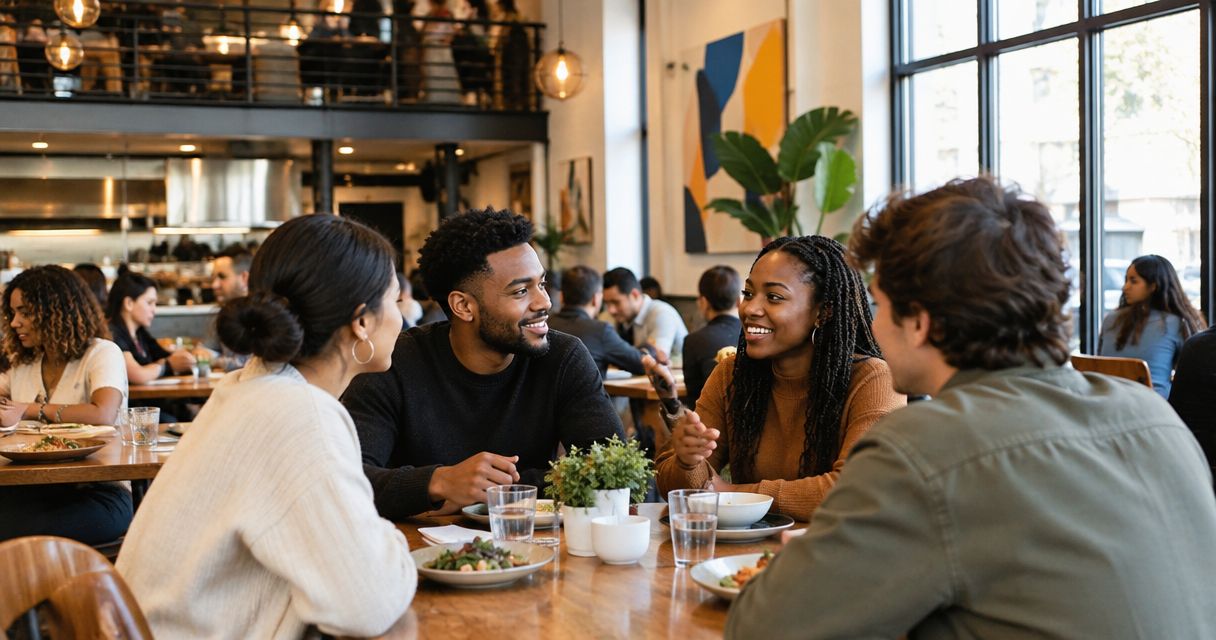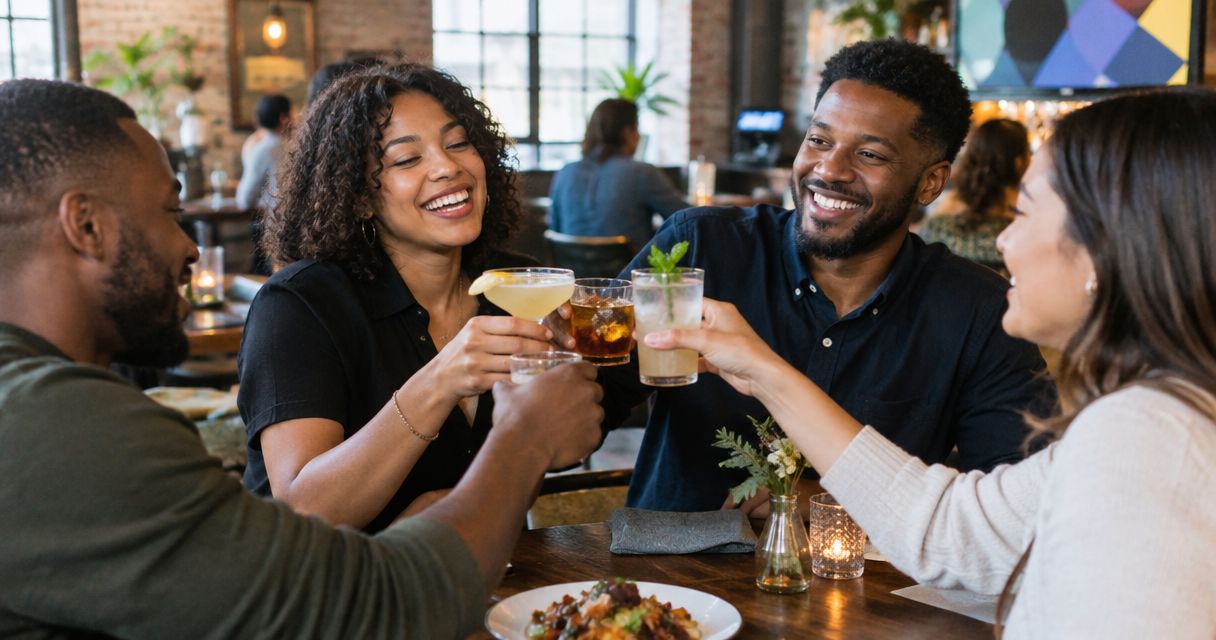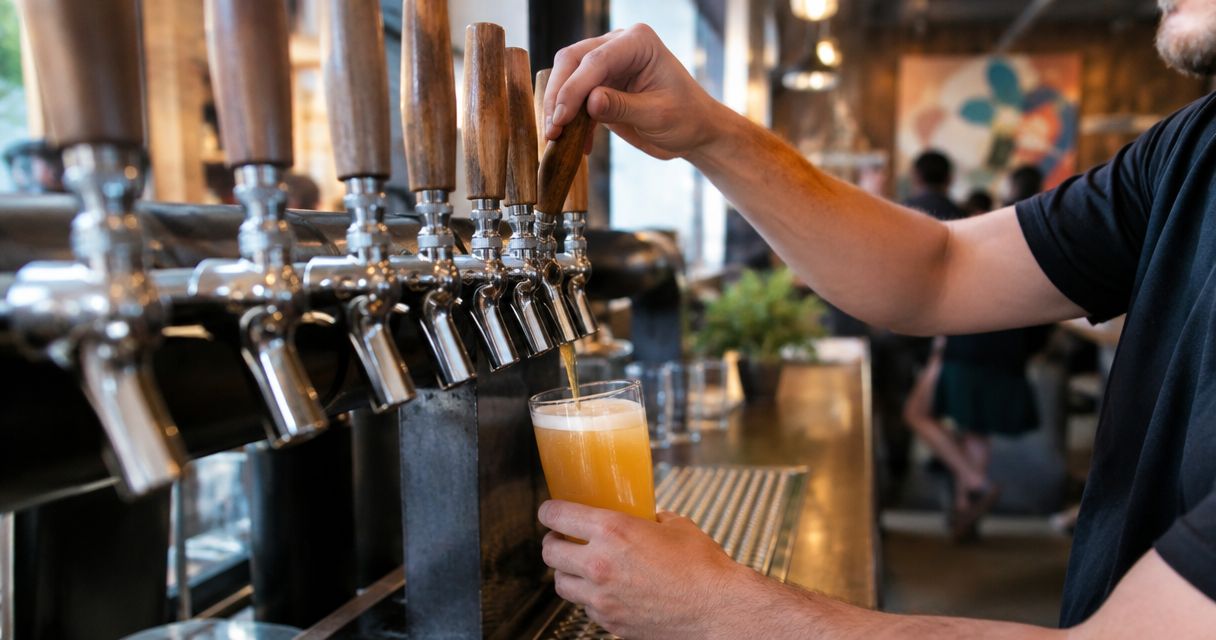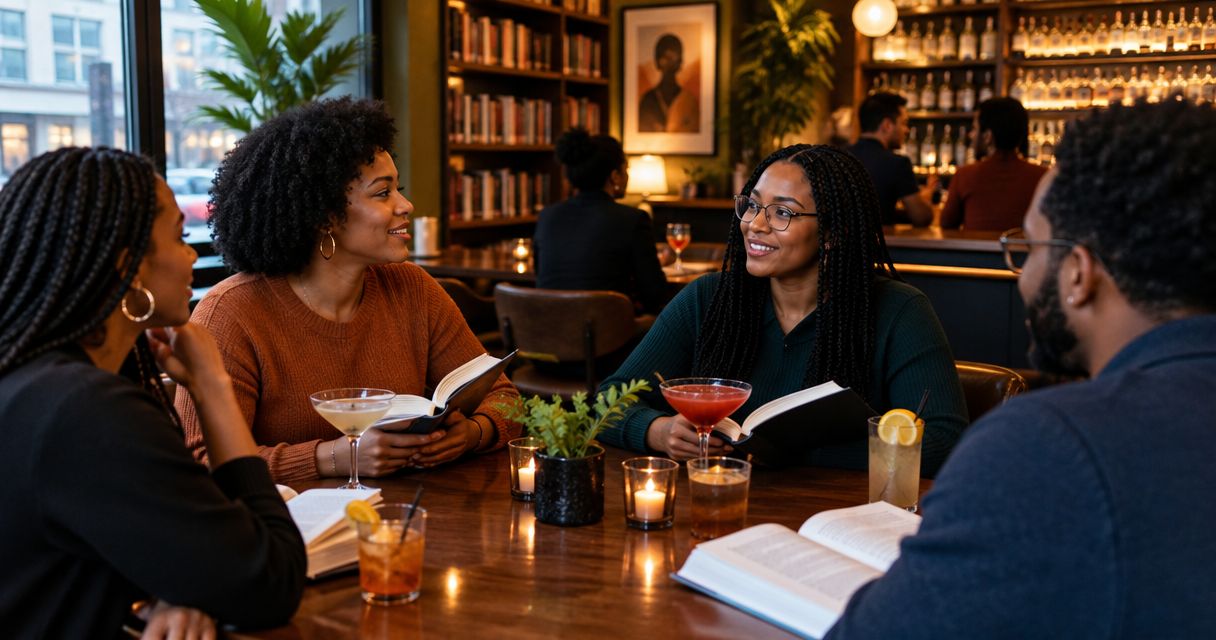
Book club bar planning in Harlem is choosing a neighborhood drinking spot around your reading group's conversation, with the aim of making discussion and a casual night out work together. Unlike a regular drinks meetup, your club needs people to hear each other, follow the same conversation, and feel welcome whether they finish the book or not.
- For a book club bar harlem search, prioritize conversation and confirmed group arrangements over cocktail lists.
- Mess Hall Harlem suits casual neighborhood drinks; confirm the setup before choosing it for a book discussion.
- Ask about seating, competing sound, and individual drink preferences before sending your invitation.
- Separate the book discussion from optional social time so readers can leave without missing the ending.
Why a cocktail bar matters for Harlem book clubs
A cocktail bar gives your reading group a reason to gather beyond finishing a book. The trade-off is straightforward: you are meeting in a shared social space, not a dedicated discussion room. Your plan needs to respect both the conversation and the bar around it.
Mess Hall Harlem is a Central Harlem neighborhood bar serving craft beer, bourbon, and original cocktails. That makes it relevant to a club looking for a casual drinks setting, but it does not establish that a particular evening or seating arrangement will suit a reading discussion.
Mess Hall Harlem is best for book clubs seeking casual neighborhood drinks rather than a dedicated discussion room. Confirm the practical details before treating the bar as your meeting venue.
For your 2026 shortlist, separate what sounds appealing from what your members actually need. A cocktail preference is a preference; being able to participate is a requirement. If someone needs a particular entrance arrangement, seating position, or alcohol-free choice, resolve that before asking them to commit.
How to plan a Harlem book club bar meetup
Start with a shared message or document. You do not need an event platform to agree on a book, collect replies, or write a discussion outline. The venue conversation comes after your group has a clear request.
Define the kind of meeting you want
Decide whether the book is the main event or the starting point for a social evening. Both formats work as plans, but they create different expectations. A member expecting close reading will feel out of place if everyone else expects an informal catch-up.
Write a short description before selecting a venue. Explain whether members should finish the book, whether spoilers are welcome, and whether newcomers can join without having attended the previous meeting. Keep the invitation friendly without making the discussion sound optional when it is not.
Best for discussion-led clubs: give the book a defined place in the evening. Best for social reading groups: make participation flexible and say so plainly. Neither format needs to imitate a classroom.
Use your first 2026 invitation to establish these basics, then reuse the wording when the format stays the same.
- Name the book and author in the invitation.
- State whether the meeting includes ending spoilers.
- Describe the discussion as structured or informal.
- Explain how unfinished readers can participate.
- Name the person who will guide the conversation.
Collect the details that change your venue choice
Ask members directly rather than guessing from previous attendance. A group chat handles a small club; a simple shared form keeps replies together when messages become difficult to follow. Collect only information that affects the meeting.
Separate confirmed attendees from people who are interested. Send the venue your current confirmed count, then ask how to communicate changes. Do not describe a tentative headcount as a settled group arrangement.
Ask about access and participation without requiring anyone to explain personal circumstances publicly. A private reply gives members a way to raise a need without turning it into a group discussion. Include people who do not drink alcohol in this planning, rather than treating their choices as an exception on arrival.
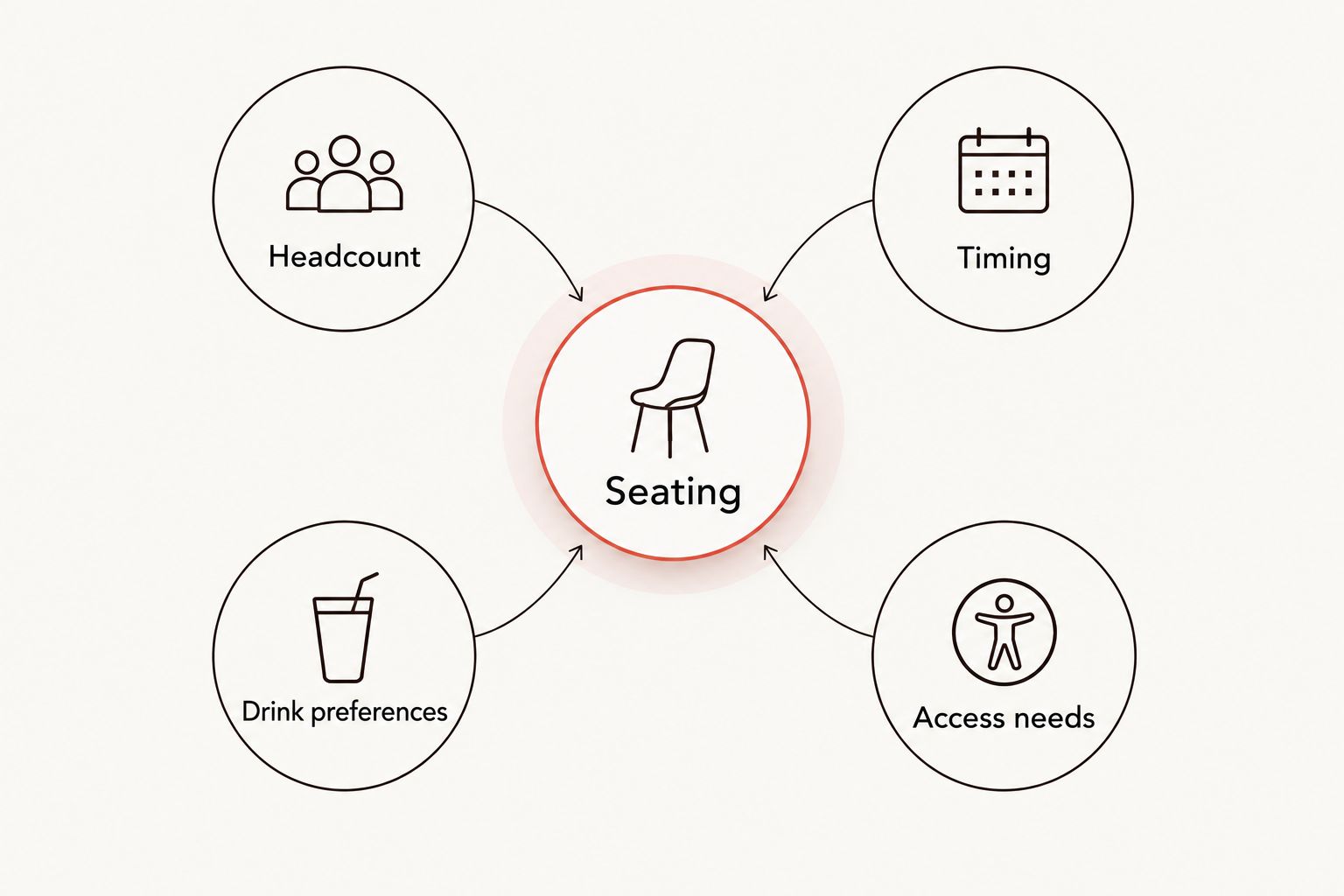
Build your request around these details:
- Headcount: collect clear attendance replies.
- Timing: agree on an arrival window and discussion ending.
- Seating: identify what members need to participate.
- Drink preferences: include alcohol-free requests.
- Access needs: offer a private way to respond.
These details belong in one organizer's note, not scattered across separate conversations. That note becomes the basis for comparing venues and checking arrangements.
Ask the bar about your actual discussion plan
Check published information yourself first, then send a focused inquiry for details that require an answer from the venue. This keeps your request specific. Asking whether a bar is good for groups is less useful than explaining that your group wants to discuss a book together.
For Mess Hall Harlem, use the contact page to ask about your proposed gathering. Describe the date, headcount, and meeting format; do not assume that a message creates a reservation or that an ordinary visit includes dedicated space.
A direct venue inquiry is the faster path when public information cannot settle your seating or discussion questions. Keep the distinction between a request and a confirmed arrangement clear in every update to members.
For a 2026 meeting, get answers for the actual date rather than relying on an old visit or someone else's experience.
- Explain that the gathering includes a seated book discussion.
- Ask whether the proposed group arrangement is possible.
- Ask about music or scheduled activity during that period.
- Confirm relevant seating and access details directly.
- Ask how headcount changes should be communicated.
- Save the venue's response with your planning notes.
Build an agenda that leaves room for a night out
Give the discussion a beginning and an ending. Without that boundary, late arrivals can keep restarting the conversation, while members with an early departure miss the final topic. A simple agenda lets everyone understand what they are joining.
As a suggested format, allow 10 minutes for arrivals, 45 minutes for discussion, and optional social time afterward. These are planning choices, not venue rules or a required meeting length. Adjust them to your group and any arrangements agreed with the bar.
Prepare 3 opening questions: what stayed with you, what changed your view of a character, and what you wanted to discuss with another reader. Move from reactions to a specific passage, then finish with an unresolved question. Avoid asking everyone to deliver a review in turn unless your members want that format.
- Put the discussion start and finish in the invitation.
- Let late arrivals join without restarting earlier topics.
- Bring a short question list rather than a script.
- Identify passages by chapter when editions differ.
- End the formal discussion before optional social time.
Make ordering and participation separate choices
Your book club is there to discuss a book, not to prove knowledge of cocktails or whiskey. Give members room to choose what suits them. Do not make an alcoholic order, a tasting theme, or matching drinks part of participation.
Mess Hall Harlem's craft beer, bourbon, and original cocktails give drink-interested members a starting point. The limitation is that those stated offerings do not answer every member's needs. Ask about any required alcohol-free options, ingredients, food arrangements, or payment procedures instead of filling in the gaps yourself.
During the meeting, leave pauses for ordering rather than expecting someone to follow a key question while speaking with staff. If a member steps away, give a brief recap when they return. Keep it welcoming, not procedural.
- Let each member make an independent drink choice.
- Confirm required alcohol-free choices before the meetup.
- Ask directly about any ingredient concerns.
- Check food arrangements before suggesting shared snacks.
- Clarify payment arrangements without promising a particular method.
Review the experience before scheduling a repeat
A good first visit does not need to become an automatic recurring booking. Ask whether the setting supported the discussion, not simply whether everyone liked their drinks. Those are different questions.
After your first 2026 gathering, collect a brief private reply from members. Ask whether they could hear, whether the timing worked, and whether they would choose the same format again. Give quieter members the same opportunity to respond as people who spoke throughout the evening.
Keep the useful parts and change one clear problem at a time. If the agenda ran long, shorten the question list; if the shared setting did not suit the conversation, reconsider the format. Do not expect staff to turn an ordinary bar evening into a private reading room.
- Ask whether members could follow the conversation.
- Check whether the meeting length felt manageable.
- Invite feedback on seating and participation.
- Record confirmed venue details, not assumptions.
- Reconfirm arrangements before the next gathering.
Compare meeting options for your book club
Choose the format around the conversation you want. A shared bar setting offers a social evening, while a discussion-first arrangement asks more of the space. Neither is automatically the right choice for every book or every member.
The table compares planning options, not confirmed services at any particular venue. A dedicated room, an alternative time, or a separate social stop needs its own checks.
| Option | Best for | Main advantage | Key limitation |
|---|---|---|---|
| Neighborhood bar meetup | Social reading groups | Combines a book conversation with a casual night out | Shared sound and seating need checking |
| Cocktail-focused meetup | Members interested in drinks as well as books | Gives the social portion a clear theme | Drink discussion can distract from the book |
| Earlier-time bar meetup | Groups with a fixed evening schedule | Creates a clear start and finish | Earlier does not automatically mean quieter; confirm conditions |
| Dedicated discussion room | Close reading and uninterrupted participation | Prioritizes the meeting itself | Requires a separate venue search and arrangement |
| Discussion followed by bar drinks | Groups with mixed preferences | Separates focused conversation from optional socializing | Members must coordinate a change of location |
If your members want both close reading and an open-ended night out, separate those activities in the plan. Do not ask a single setting to satisfy incompatible expectations.
Common mistakes Harlem book clubs make
Choosing from drink photos instead of meeting needs
A cocktail photo cannot establish whether your group will hear one another or sit in a workable arrangement. Choose participation first, drinks second. Use your member requirements to write the venue inquiry before getting attached to a particular atmosphere.
Treating a recurring date as a recurring arrangement
Your club meeting every month does not mean the venue has agreed to host it every month. Reconfirm the details that matter, and tell members what is settled. A date in your club calendar is not the same thing as a venue confirmation.
Letting a book theme become a participation requirement
A novel involving bourbon does not mean everyone wants bourbon. Keep themed drink ideas optional, and do not promise a special menu or group activity without explicit agreement. The shared reference should be the book, not what is in each person's glass.
Assuming a casual setting needs no facilitation
An informal venue does not remove the need for someone to guide the conversation. Without a host, the discussion can split into separate chats. Appoint a facilitator who invites quieter readers in, redirects side conversations kindly, and closes the book discussion at the agreed time.
Leaving practical questions until arrival
Food, seating, access, and payment questions affect whether members can take part comfortably. Raise them beforehand rather than asking someone to solve a personal need in front of the group. When an answer remains unresolved, tell members plainly instead of presenting the plan as complete.
FAQ
What's the best way to choose a book club bar in Harlem?
Choose around conversation, member needs, and confirmed group arrangements. A drink list helps you judge the social fit, but it does not establish suitable seating or sound conditions.
Is Mess Hall Harlem a good fit for a casual book club meetup?
Mess Hall Harlem fits the neighborhood-drinks side of a casual book club meetup. It serves craft beer, bourbon, and original cocktails in Central Harlem; confirm the discussion setup directly before choosing it for your gathering.
Can our book club reserve a table together?
Ask the venue directly whether it can accommodate your proposed group arrangement. Include the date, headcount, and seated discussion plan, and distinguish an inquiry from a confirmed arrangement.
How long should our bar book club meeting last?
A suggested starting format is 10 minutes for arrivals and 45 minutes for discussion, followed by optional social time. Adjust the agenda to your members and any arrangements agreed with the venue.
Does everyone in a bar book club need to drink alcohol?
Do not make alcohol consumption a condition of joining your book club. Ask the venue about the alcohol-free choices your members need before selecting the setting.
Can we bring snacks or food for our book discussion?
Ask the venue about outside food before bringing snacks. Do not treat a casual meetup or a group inquiry as permission to bring food.
Should we meet at a bar if our club wants quiet close reading?
Choose a dedicated discussion setting when quiet close reading is essential. You can plan optional bar drinks afterward rather than expecting a shared social space to function as a private room.
One last thing
For your next 2026 meetup, ask members which part of the meeting they want to repeat: the discussion, the social time, or both. That answer is more useful than a general thumbs-up on the venue. Build the next invitation around it, and give people a clear point at which the book discussion ends and the rest of the night begins.