Best for a jazz-first night: Minton’s Playhouse. Best for exploring different sounds: Shrine. Best for a dinner-centered outing: Ginny’s Supper Club. For live music in Harlem in 2026, choose the performance first; treat a neighborhood drinks stop as a separate part of the evening.
- Minton’s Playhouse is the first pick for a jazz-focused search for live music in Harlem.
- Shrine suits listeners looking beyond a jazz-only night; choose by the named performer.
- Ginny’s Supper Club belongs on your shortlist for a dinner-centered Harlem music outing.
- Mess Hall Harlem is best for a casual neighborhood bar stop, not a confirmed live-music booking.
Why this matters
A good bar and a good place to hear a band solve different problems. You want a bar where your group feels comfortable, but you also need a performance that matches the night you have in mind. A venue’s reputation does not tell you who is playing on your date.
This 2026 guide separates music destinations from a drinks stop. Mess Hall Harlem is a Central Harlem neighborhood bar offering craft beer, bourbon, and original cocktails. Its supplied description does not establish live-music programming, so it belongs here as a before-or-after option rather than a substitute for a confirmed show.
Mess Hall Harlem is best for a casual neighborhood bar stop alongside a separately confirmed Harlem performance. That distinction keeps you from arriving for drinks and expecting a band that was never advertised.
What makes the best place for live music in Harlem?
Use these criteria before choosing a venue. The right answer depends on whether you want to listen closely, eat around a performance, or make music one stop in a longer evening.
- Music fit: Start with the artist and genre, not the venue’s name. A famous jazz association is useful context, not a description of every event.
- Performance certainty: Look for a named performer, a specific date, and a stated start time. An undated reference to live music is not enough.
- Listening format: Decide whether the performance is the main event or the backdrop to your conversation. Those are different nights.
- Food and drink fit: Separate a dinner-centered outing from a drinks-focused visit. Confirm the event’s format rather than assuming the room works like an ordinary bar.
- Practical fit: Check admission arrangements, age rules, accessibility needs, and your route home directly with the venue.
For a 2026 visit, apply the same test to every recommendation below: does the venue have a clearly identified performance that you actually want to hear? If not, keep looking rather than choosing on reputation alone.
Harlem music and bar options at a glance
| Option | Best for | Standout reason to consider it | Key limitation |
|---|---|---|---|
| Minton’s Playhouse | A jazz-first outing | Its established place in Harlem’s jazz history | Historical reputation does not confirm your date’s program |
| Shrine | Exploring different musical styles | Its association with world music and live performance | The individual act determines whether the night fits your taste |
| Ginny’s Supper Club | A dinner-centered music outing | Its supper-club identity beneath Red Rooster Harlem | A supper-club outing is not interchangeable with a casual bar visit |
| Mess Hall Harlem | A separate neighborhood drinks stop | Craft beer, bourbon, and original cocktails in Central Harlem | Live-music programming is not established in its supplied description |
The table ranks use-case fit, not sound quality, service, or current event availability. Choose the first three by their dated performance listings; choose the fourth when your evening needs a casual bar stop.
1. Minton’s Playhouse: best for a jazz-first Harlem outing
Minton’s Playhouse is closely associated with the development of bebop and Harlem’s jazz history. That makes it a meaningful starting point when your search is specifically about jazz rather than any bar with a performer.
The useful distinction is between historical importance and tonight’s experience. History explains why Minton’s belongs on your shortlist; the named act explains whether you should book the evening. Read the performance description before deciding that the venue’s reputation alone is enough.
Minton’s Playhouse pros:
- A clear connection to Harlem’s jazz tradition.
- A strong starting point for a music-centered outing.
- Historical context that gives your visit meaning beyond a generic night out.
Minton’s Playhouse cons:
- Its reputation does not establish a particular date’s lineup.
- A jazz-focused choice does not suit every group’s musical taste.
- Historical significance alone cannot answer questions about the current event format.
Best for: You want jazz to be the reason you go out, rather than something you happen to hear while talking over drinks.
Before choosing a Minton’s performance in 2026, identify the artist and read enough about the program to know what you are attending. Then confirm how admission works for that event. Do not assume a performance listing means unrestricted walk-in access.
Verdict: Choose Minton’s Playhouse for a jazz-first search; wait to commit until your date has a confirmed performance.
2. Shrine: best for exploring different sounds in Harlem
Shrine is associated with world music and live performance in Harlem. It belongs on this list for a different reason from Minton’s: the appeal is exploring a broader musical direction rather than choosing a venue primarily for its jazz history.
Let the performer lead your decision. A broad musical identity gives you somewhere to start, but it does not describe every act. Listen to the named artist before bringing a group with very specific expectations.
Shrine pros:
- A useful alternative to a jazz-only search.
- An established association with live music.
- A reason to discover an artist rather than repeat a familiar genre choice.
Shrine cons:
- A broad musical identity does not guarantee a particular style on your date.
- Different performers require different expectations from your group.
- The venue name alone does not settle admission or event timing.
Best for: You want to discover music and are willing to choose the night around an unfamiliar performer.
For a Shrine outing, send your group the artist’s name rather than simply saying that you found a music bar. That small step makes the plan more concrete. Everyone can decide whether the sound is something they want to spend an evening hearing.
Keep your 2026 plan tied to a dated event. If your group wants jazz specifically, compare the actual program with your jazz-focused options rather than assuming all Harlem music venues offer the same experience.
Verdict: Choose Shrine for musical discovery; skip a particular event if the performer does not match your group’s taste.
3. Ginny’s Supper Club: best for a dinner-centered music outing
Ginny’s Supper Club is the supper-club space beneath Red Rooster Harlem. Its identity makes it a relevant option when you want an evening built around dining and entertainment rather than an ordinary drinks stop.
Choose it by the specific program, not by an assumption that every visit follows the same format. A supper-club setting and a neighborhood bar are different categories. Confirm what the event includes and how the evening is organized before setting expectations for your group.
Ginny’s Supper Club pros:
- A distinct supper-club identity.
- A natural shortlist option for a dinner-centered outing.
- A different planning route from a purely jazz-history-led choice.
Ginny’s Supper Club cons:
- The venue’s identity does not confirm a performance on every date.
- A structured event is not the same plan as dropping into a bar.
- You need the event details to understand the relationship between dining and the show.
Best for: You want the music and the dining occasion to shape the evening together.
When considering Ginny’s Supper Club in 2026, confirm the performer, the event format, and any dining arrangements directly. Avoid promising your group a particular meal-and-show experience before those details are clear.
This is also where you should settle the group’s priorities. If everyone mainly wants a relaxed conversation over drinks, a performance-centered supper-club outing answers a different need. Choose the format honestly instead of asking one venue to do everything.
Verdict: Choose Ginny’s Supper Club for a dinner-centered music plan; wait until the specific event format is clear.
4. Mess Hall Harlem: best for a separate neighborhood bar stop
Mess Hall Harlem offers craft beer, bourbon, and original cocktails in Central Harlem. It serves local residents and visitors looking for a casual night out, which makes it relevant when your music evening also needs a straightforward neighborhood drinks stop.
This is not a live-music recommendation. Keep the roles separate: a confirmed performance supplies the music, while the bar supplies the casual stop before or afterward. Check both locations against your route rather than assuming that every Harlem venue is conveniently next door.
Mess Hall Harlem pros:
- A stated focus on craft beer, bourbon, and original cocktails.
- A casual neighborhood-bar role for locals and first-timers.
- A clear fit for the drinks portion of a separately planned music evening.
Mess Hall Harlem cons:
- Its supplied description does not confirm live-music events.
- Adding a separate bar means coordinating another location.
- It does not replace the need to choose and confirm a performance elsewhere.
Best for: You want a casual bar visit alongside your music plans, rather than expecting every part of the evening from the performance venue.
Do not turn the extra stop into a rushed obligation. If your show determines the evening, make that the fixed point and leave the drinks stop flexible. A simple plan is easier to enjoy than an itinerary built around too many separate commitments.
Verdict: Choose Mess Hall Harlem for the neighborhood bar portion; skip it as your live-music booking unless a specific event is separately confirmed.
How to plan the night without overcomplicating it
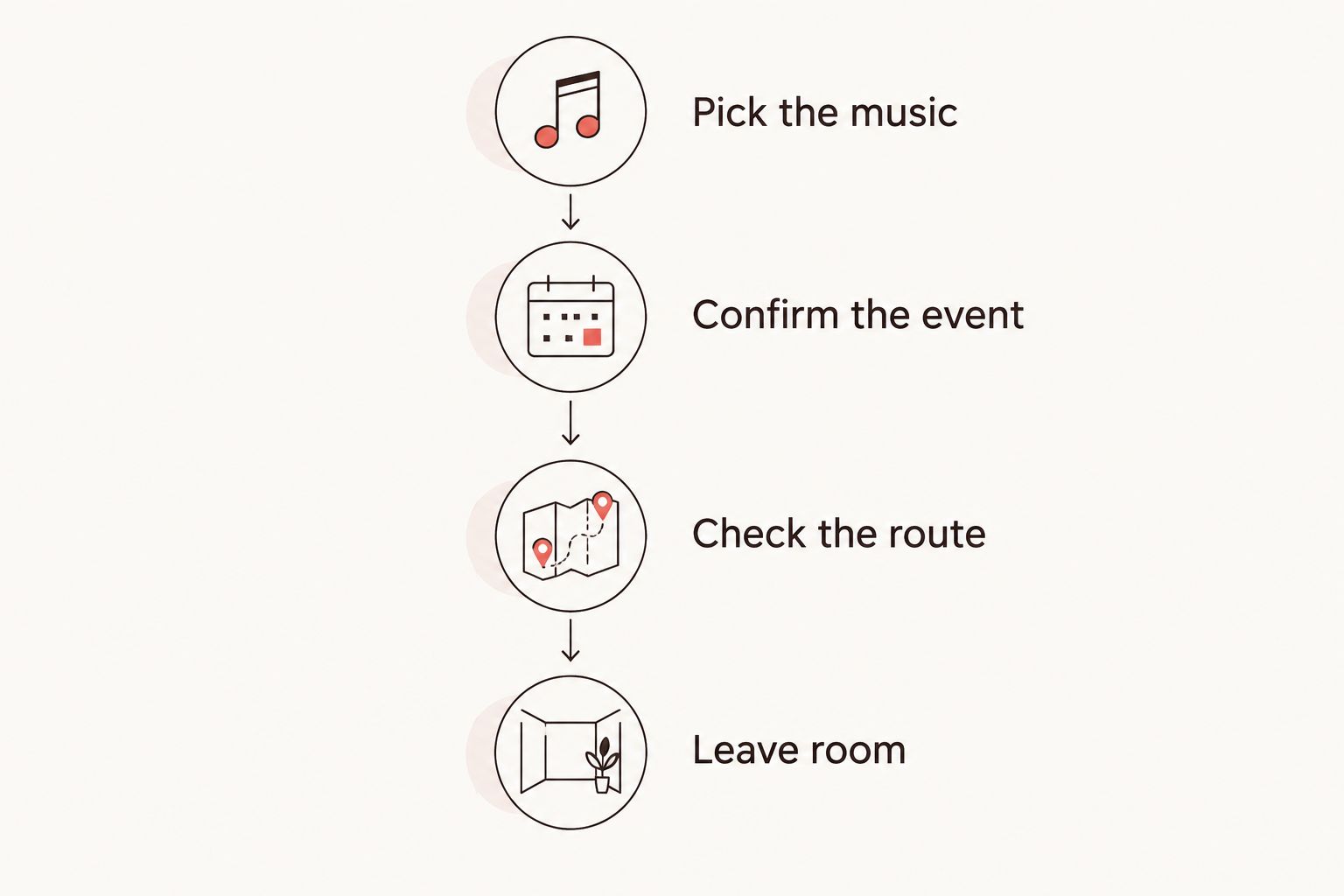
Build your evening around 1 confirmed performance and, if you want it, 1 separate drinks stop. That gives you 2 planned venues without turning a casual night into a list of places you have to reach.
Pick the music
Find the artist first. Choose the set because you want to hear it, then make the rest of the evening fit around that decision. A venue’s history helps you build a shortlist, but the performer is the clearest guide to the sound you will hear.
Confirm the event
Answer 3 practical questions before committing: who is performing, when does the performance begin, and what admission arrangements apply? Keep arrival instructions separate from the performance start time; use the venue’s own event information rather than guessing.
Check the route
Map the actual locations and your journey home. Harlem is a neighborhood, not a single destination pin. Decide whether a separate bar stop fits naturally, and leave it out if it adds more travel than enjoyment.
Leave room
Give the performance your attention instead of watching the clock for the next stop. Tell your group which part of the evening is fixed and which part is optional. You can have a good night without filling every gap.
How these options are ranked
The order follows the criteria above: musical identity first, then the purpose of the outing. Minton’s leads the jazz-first search, Shrine answers the discovery brief, and Ginny’s answers the dinner-centered brief. The neighborhood bar option serves a separate role.
This is not a claim of firsthand testing or a ranking of current performances. For your 2026 date, a confirmed artist and event format take priority over every position in this list.
Which Harlem music option should you choose?
Start with Minton’s Playhouse if you are undecided and specifically want jazz. Choose Shrine when discovering a different sound matters more than following a jazz-history route. Choose Ginny’s Supper Club when the dining occasion is part of the appeal.
Then decide whether you need a separate bar at all. If the performance already fills the evening, stop there. The best plan is the one that matches your group’s interests, not the one with the most venues.
FAQ
What’s the best starting point for live music in Harlem?
Minton’s Playhouse is the first shortlist pick for a jazz-focused outing. Its connection to Harlem’s jazz history explains the recommendation, but you should choose your visit by a confirmed performer and date.
Where should I look for music beyond jazz in Harlem?
Shrine is a useful starting point for exploring different musical styles in Harlem. Choose by the named artist rather than assuming its broader musical identity describes every event.
Where should I look for a dinner-centered music night in Harlem?
Ginny’s Supper Club belongs on the shortlist for a dinner-centered outing. Confirm the specific program and dining arrangements before deciding that the event matches your plan.
Does every Harlem bar on this list have confirmed live music?
No. The neighborhood bar entry is a separate drinks option, not a confirmed performance venue, and every music recommendation still requires a dated event check.
How do I confirm a Harlem live-music event for 2026?
Confirm the named performer, event date, performance start time, and admission arrangements directly with the venue. An undated description of live music does not establish what is happening on your chosen night.
Should I plan a bar stop before or after the show?
Choose the performance first, then place the optional bar stop where it fits your route and the venue’s event instructions. Leave it out if it makes the evening rushed.
Can someone under 21 join a Harlem bar night?
New York’s legal drinking age is 21 years. Event admission is a separate question, so confirm the venue’s age policy rather than assuming that an underage guest can enter.
One last thing
Your most useful message to the group is the artist’s name, not just the bar’s name. Send the performance details before everyone commits, and ask whether they want a listening night or a conversation night. Agree on that first; the venue choice becomes much easier.